Trachyandesite
A variety of Igneous
What is Trachyandesite?
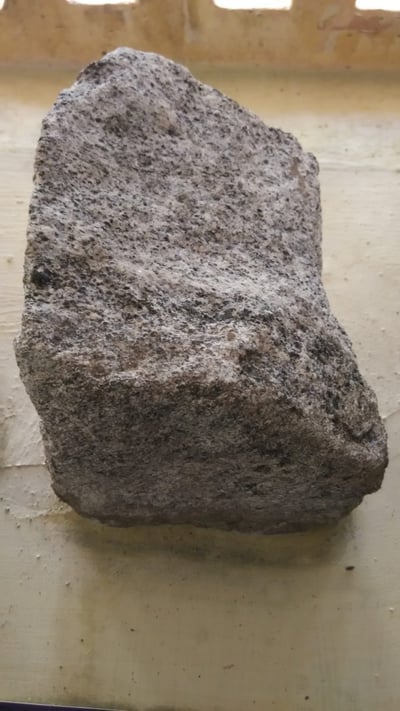
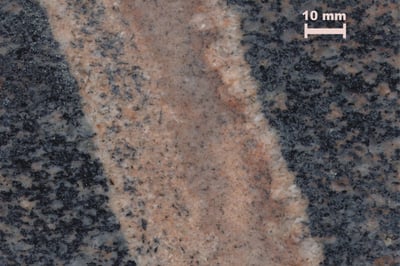
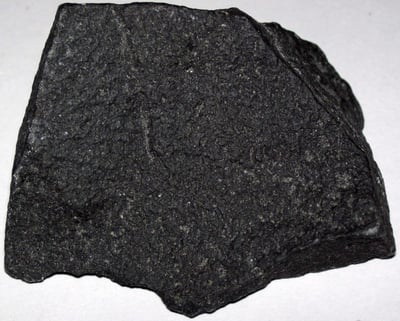
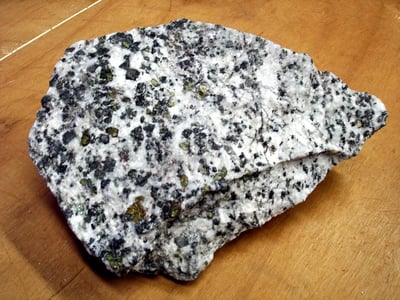
Trachyandesite is an extrusive igneous rock with a composition between trachyte and andesite. It has little or no free quartz, but is dominated by sodic plagioclase and alkali feldspar. It is formed from the cooling of lava enriched in alkali metals and with an intermediate content of silica. The term trachyandesite had begun to fall into disfavor by 1985 but was revived to describe extrusive igneous rocks falling into the S3 field of the TAS classification. These are divided into sodium-rich benmoreite and potassium-rich latite. Trachyandesitic magma can produce explosive Plinian eruptions, such as happened at Tambora in 1815. The Eyjafjallajökull 2010 eruption (VEI4), which disrupted European and transatlantic air travel from 14–18 October 2010, for some time was dominated by trachyandesite.
Market Value Factors
Pricing varies for every rock and mineral, so use these universal factors to gauge Trachyandesite before comparing listings or appraisals.
Size & Weight
Larger, intact specimens usually command higher prices.
Rarity & Demand
Scarce material or popular varieties sell at a premium.
Condition & Finish
Chips, repairs, and heavy wear lower value; clean prep helps.
Treatment & Provenance
Untreated specimens with documented locality are prized.
Trachyandesite Localities Map
See where Trachyandesite is found with a localities map, collecting zones, and geology context. Generate a sample map preview below.
Key Characteristics
Rock Types of Trachyandesite
Sodium-rich trachyandesite is called benmoreite. Basaltic trachyandesite is transitional to basalt and comes in two varieties, mugearite (sodium-rich) and shoshonite (potassium-rich).
Formation of Trachyandesite
Trachyandesite is a member of the alkaline magma series, in which alkaline basaltic magma experiences fractional crystallization while still underground. This process removes calcium, magnesium, and iron from the magma. As a result, trachyandesite is common wherever alkali magma is erupted, including late eruptions of ocean islands and in continental rift valleys and mantle plumes. Trachyandesite is found in the Yellowstone area as part of the Absaroka Volcanic Supergroup, and has been erupted in arc volcanism in Mesoamerica
Quick Facts
Physical Properties
- Color
- Black, Brown, Light to Dark Grey
- Streak
- Light to dark brown
Chemical Properties
Identify Trachyandesite Instantly
- Snap a photo, get instant results
- 6,700+ rocks, minerals & crystals
- Discover collecting spots near you
Trachyandesite FAQs
How do I identify Trachyandesite?
Trachyandesite can be identified by its Black color. Look for these key characteristics when examining specimens.
What color is Trachyandesite?
Trachyandesite typically appears in Black, Brown, Light to Dark Grey. Color can vary depending on impurities and formation conditions.
What is the rock types of trachyandesite of Trachyandesite?
Sodium-rich trachyandesite is called benmoreite. Basaltic trachyandesite is transitional to basalt and comes in two varieties, mugearite (sodium-rich) and shoshonite (potassium-rich).
What is the formation of trachyandesite of Trachyandesite?
Trachyandesite is a member of the alkaline magma series, in which alkaline basaltic magma experiences fractional crystallization while still underground. This process removes calcium, magnesium, and iron from the magma. As a result, trachyandesite is common wherever alkali magma is erupted, including late eruptions of ocean islands and in continental rift valleys and mantle plumes. Trachyandesite is found in the Yellowstone area as part of the Absaroka Volcanic Supergroup, and has been erupted in arc volcanism in Mesoamerica