Carbonatite
A variety of Igneous
What is Carbonatite?
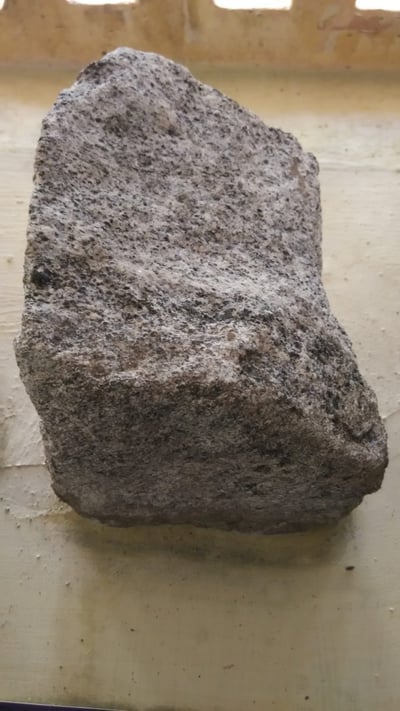
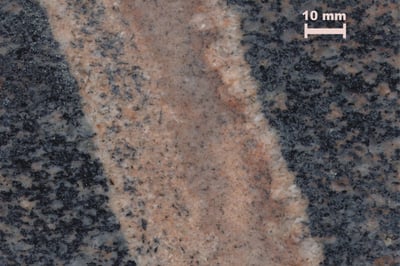
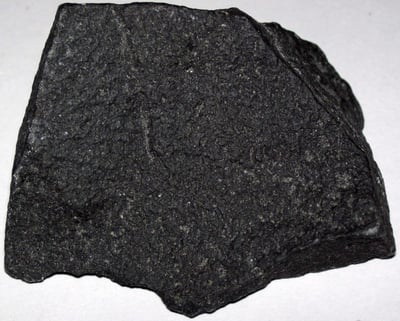
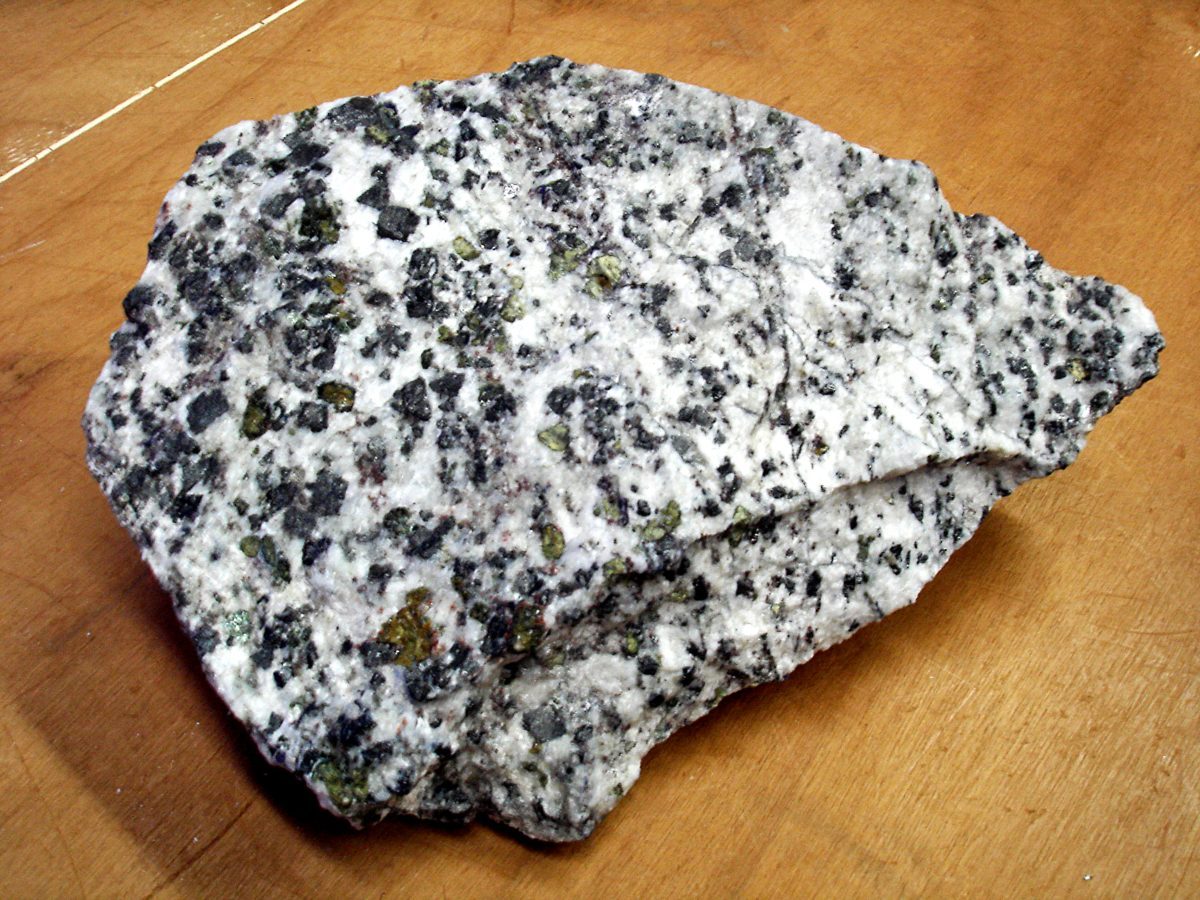
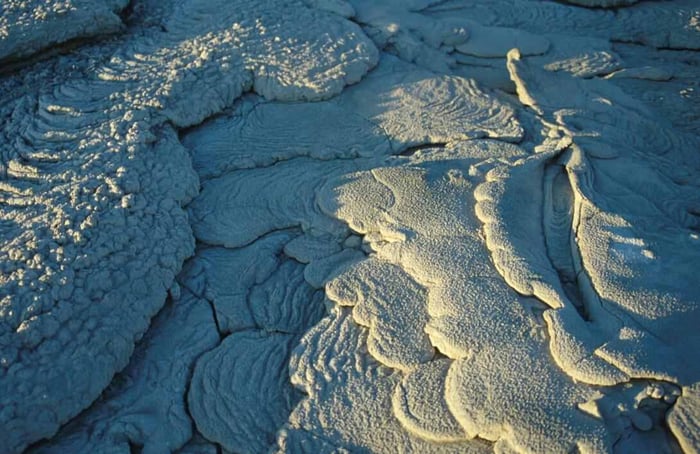
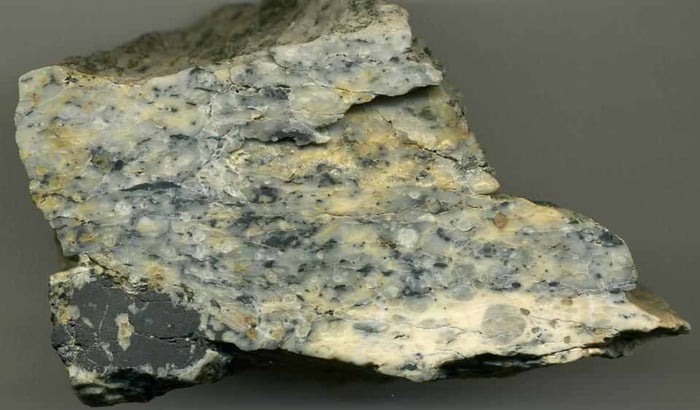
Carbonatite has a marble-like appearance and is often associated with continental rifts. Though most people don’t interact with or see carbonatite on a daily basis, it has significant commercial importance. The rock may contain large quantities of various rare earth elements including titanium, copper, iron, uranium, niobium, and phosphorus. It is therefore mined in many places around the world.
Uses & Applications
Carbonatite is considered a major source of valuable rare earth elements, including lanthanum, cerium, praseodymium, and neodymium. However, this rock is only rarely found on the earth's surface, and as such has no uses in and of itself, though the elements harvested from carbonatite, including metals such as copper and titanium, are important for industrial uses.
Market Value Factors
Pricing varies for every rock and mineral, so use these universal factors to gauge Carbonatite before comparing listings or appraisals.
Size & Weight
Larger, intact specimens usually command higher prices.
Rarity & Demand
Scarce material or popular varieties sell at a premium.
Condition & Finish
Chips, repairs, and heavy wear lower value; clean prep helps.
Treatment & Provenance
Untreated specimens with documented locality are prized.
Carbonatite Localities Map
See where Carbonatite is found with a localities map, collecting zones, and geology context. Generate a sample map preview below.
Geochemistry
Carbonatite is composed predominantly of carbonate minerals and extremely unusual in its major element composition as compared to silicate igneous rocks, obviously because it is composed primarily of Na2O and CaO plus CO2. Most carbonatites tend to include some silicate mineral fraction; by definition an igneous rock containing >50% carbonate minerals is classified as a carbonatite. Silicate minerals associated with such compositions are pyroxene, olivine, and silica-undersaturated minerals such as nepheline and other feldspathoids. Geochemically, carbonatites are dominated by incompatible elements (Ba, Cs, Rb) and depletions in compatible elements (Hf, Zr, Ti). This together with their silica-undersaturated composition supports inferences that carbonatites are formed by low degrees of partial melting. A specific type of hydrothermal alteration termed fenitization is typically associated with carbonatite intrusions. This alteration assemblage produces a unique rock mineralogy termed a fenite after its type locality, the Fen Complex in Norway. The alteration consists of metasomatic halos consisting of sodium rich silicates arfvedsonite, barkevikite and glaucophane along with phosphates, hematite and other iron and titanium oxides.
Key Characteristics
Rock Types of Carbonatite
Dozens of carbonatites are known including: the Bearpaw Mountains, Montana the Oka and Saint-Honoré, Quebec; Gem Park and Iron Hill, Colorado; Magnet Cove igneous complex, Arkansas; Mountain Pass, California; the Palabora Complex near Phalaborwa, South Africa; Jacupiranga, Brazil; Ayopaya, Bolivia; Cerro Impacto, Venezuela Kovdor and Vischnevogorsk, Russia, Amba Dongar and Newania from India; Maz, Argentina the Mud Tank and Mount Weld, Australia; the Fen Complex, Norway; part of the basal complex of Fuerteventura, Spain; the Avon Volcanic District, Missouri.
Composition of Carbonatite
Carbonatite is composed predominantly of carbonate minerals and extremely unusual in its major element composition as compared to silicate igneous rocks, obviously because it is composed primarily of Na2O and CaO plus CO2. Most carbonatites tend to include some silicate mineral fraction; by definition an igneous rock containing >50% carbonate minerals is classified as a carbonatite. Silicate minerals associated with such compositions are pyroxene, olivine, and silica-undersaturated minerals such as nepheline and other feldspathoids.
More Images
Quick Facts
Physical Properties
- Color
- White, cream, pink, gray, black, brown, etc.
- Hardness (Mohs)
- 3 - 4
- Density
- 2.6 - 2.9 g/cm³
Identify Carbonatite Instantly
- Snap a photo, get instant results
- 6,700+ rocks, minerals & crystals
- Discover collecting spots near you
Carbonatite FAQs
How do I identify Carbonatite?
Carbonatite can be identified by its hardness of 3 - 4 on the Mohs scale, White color. Look for these key characteristics when examining specimens.
What color is Carbonatite?
Carbonatite typically appears in White, cream, pink, gray, black, brown, etc.. Color can vary depending on impurities and formation conditions.
How hard is Carbonatite?
Carbonatite has a hardness of 3 - 4 on the Mohs scale. This makes it a soft mineral that can be scratched easily.
What is the rock types of carbonatite of Carbonatite?
Dozens of carbonatites are known including: the Bearpaw Mountains, Montana the Oka and Saint-Honoré, Quebec; Gem Park and Iron Hill, Colorado; Magnet Cove igneous complex, Arkansas; Mountain Pass, California; the Palabora Complex near Phalaborwa, South Africa; Jacupiranga, Brazil; Ayopaya, Bolivia; Cerro Impacto, Venezuela Kovdor and Vischnevogorsk, Russia, Amba Dongar and Newania from India; Maz, Argentina the Mud Tank and Mount Weld, Australia; the Fen Complex, Norway; part of the basal complex of Fuerteventura, Spain; the Avon Volcanic District, Missouri.
What is the composition of carbonatite of Carbonatite?
Carbonatite is composed predominantly of carbonate minerals and extremely unusual in its major element composition as compared to silicate igneous rocks, obviously because it is composed primarily of Na2O and CaO plus CO2. Most carbonatites tend to include some silicate mineral fraction; by definition an igneous rock containing >50% carbonate minerals is classified as a carbonatite. Silicate minerals associated with such compositions are pyroxene, olivine, and silica-undersaturated minerals such as nepheline and other feldspathoids.