Anorthosite
A variety of Igneous
What is Anorthosite?
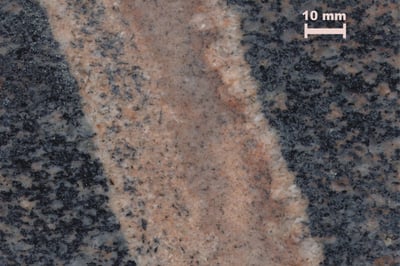
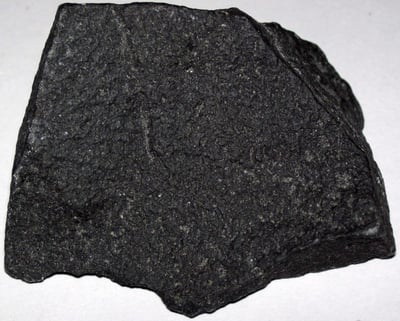
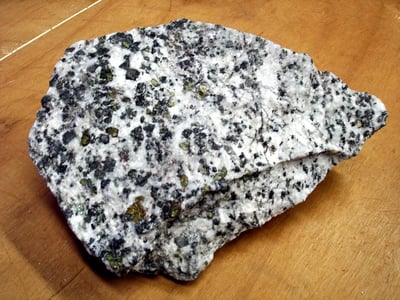
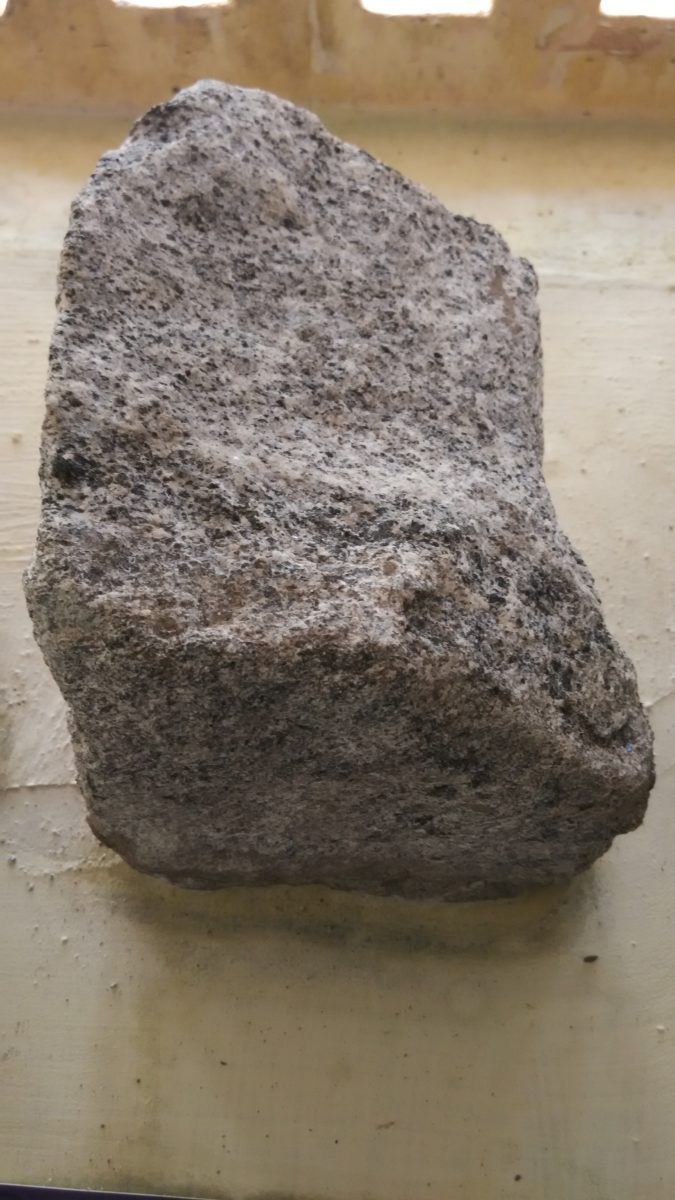
Anorthosite is a calcium-rich igneous rock that is found across the planet and beyond – it is a prominent component of rocks brought back from the moon. Anorthosite is mined in some places, as it may contain large amounts of Labradorite, Titanium, or Aluminum, each of which have significant commercial uses.
Uses & Applications
Anorthosite has a high aluminum content, and as such the aluminum is mined and used for a variety of purposes ranging from household products like cans, utensils, and electrical conductors to larger industrial uses, including the construction of aircraft.
Market Value Factors
Pricing varies for every rock and mineral, so use these universal factors to gauge Anorthosite before comparing listings or appraisals.
Size & Weight
Larger, intact specimens usually command higher prices.
Rarity & Demand
Scarce material or popular varieties sell at a premium.
Condition & Finish
Chips, repairs, and heavy wear lower value; clean prep helps.
Treatment & Provenance
Untreated specimens with documented locality are prized.
Anorthosite Localities Map
See where Anorthosite is found with a localities map, collecting zones, and geology context. Generate a sample map preview below.
Geochemistry
Proterozoic anorthosites are typically >90% plagioclase, and the plagioclase composition is commonly between An40 and An60 (40–60% anorthite). This compositional range is intermediate, and is one of the characteristics which distinguish Proterozoic anorthosites from Archean anorthosites (which are typically >An80). Proterozoic anorthosites often have significant mafic components in addition to plagioclase. These phases can include olivine, pyroxene, Fe-Ti oxides, and/or apatite. Mafic minerals in Proterozoic anorthosites have a wide range of composition, but are not generally highly magnesian. The trace-element chemistry of Proterozoic anorthosites, and the associated rock types, has been examined in some detail by researchers with the aim of arriving at a plausible genetic theory. However, there is still little agreement on just what the results mean for anorthosite genesis; see the 'Origins' section below. A very short list of results, including results for rocks thought to be related to Proterozoic anorthosites, Some research has focused on neodymium (Nd) and strontium (Sr) isotopic determinations for anorthosites, particularly for anorthosites of the Nain Plutonic Suite (NPS). Such isotopic determinations are of use in gauging the viability of prospective sources for magmas that gave rise to anorthosites. Some results are detailed below in the 'Origins' section.
Key Characteristics
Rock Types of Anorthosite
Anorthosite on Earth can be divided into five types: Archean-age anorthosites Proterozoic anorthosite (also known as massif or massif-type anorthosite) – the most abundant type of anorthosite on Earth[2] Layers within Layered Intrusions (e.g., Bushveld and Stillwater intrusions) Mid-ocean ridge and transform fault anorthosites Anorthosite xenoliths in other rocks (often granites, kimberlites, or basalts)
More Images
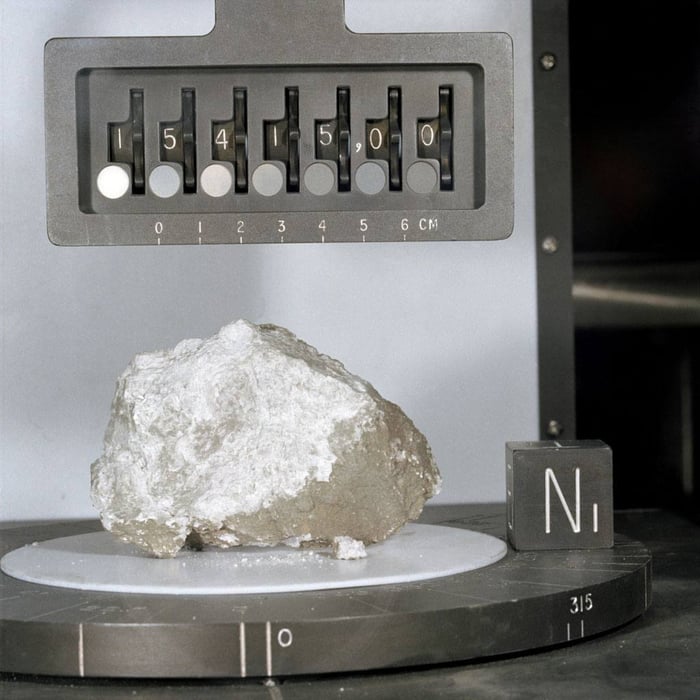
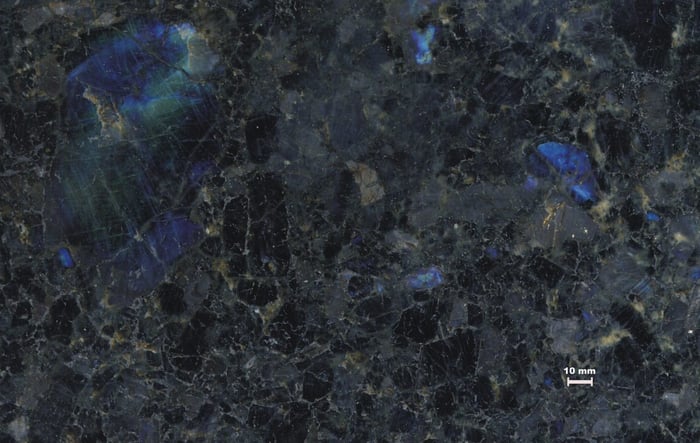
Quick Facts
Physical Properties
- Color
- Bluish-grey, black, brown, green, grey, greenish grey, pink, white, etc.
- Hardness (Mohs)
- 6 - 6.5
- Density
- 2.65 - 2.85 g/cm³
Identify Anorthosite Instantly
- Snap a photo, get instant results
- 6,700+ rocks, minerals & crystals
- Discover collecting spots near you
Anorthosite FAQs
How do I identify Anorthosite?
Anorthosite can be identified by its hardness of 6 - 6.5 on the Mohs scale, Bluish-grey color. Look for these key characteristics when examining specimens.
What color is Anorthosite?
Anorthosite typically appears in Bluish-grey, black, brown, green, grey, greenish grey, pink, white, etc.. Color can vary depending on impurities and formation conditions.
How hard is Anorthosite?
Anorthosite has a hardness of 6 - 6.5 on the Mohs scale. This gives it moderate hardness.
What is the rock types of anorthosite of Anorthosite?
Anorthosite on Earth can be divided into five types: Archean-age anorthosites Proterozoic anorthosite (also known as massif or massif-type anorthosite) – the most abundant type of anorthosite on Earth[2] Layers within Layered Intrusions (e.g., Bushveld and Stillwater intrusions) Mid-ocean ridge and transform fault anorthosites Anorthosite xenoliths in other rocks (often granites, kimberlites, or basalts)