Syenite
A variety of Igneous

What is Syenite?
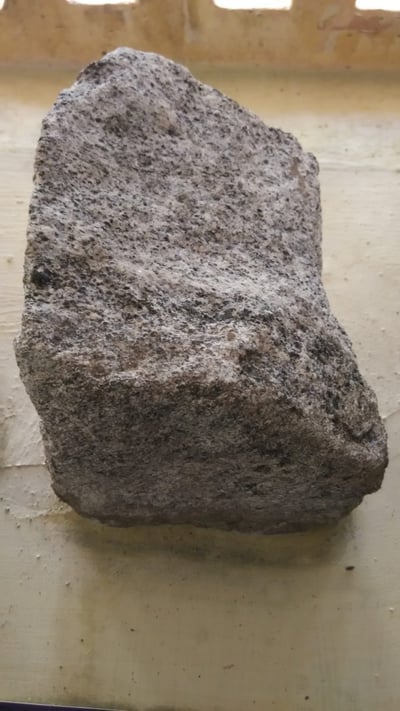
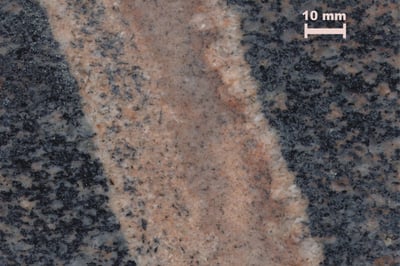
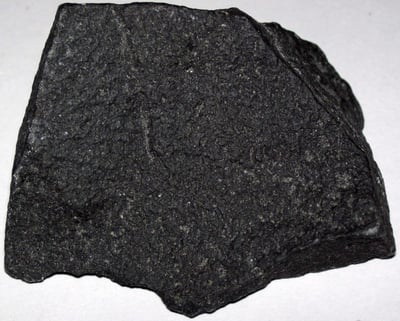
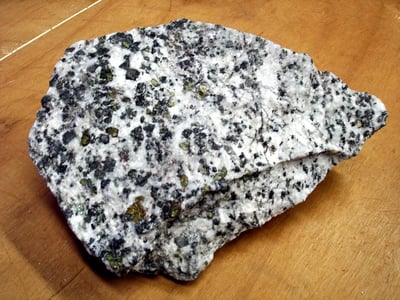
Syenite is a coarse-grained intrusive igneous rock with a general composition similar to that of granite, but deficient in quartz, which, if present at all, occurs in relatively small concentrations (< 5%). Some syenites contain larger proportions of mafic components and smaller amounts of felsic material than most granites; those are classed as being of intermediate composition. The volcanic equivalent of syenite is trachyte.
Etymology & Origins
The term syenite was originally applied to hornblende granite like that of Syene (now Aswan) in Egypt, from which the name is derived.
Market Value Factors
Pricing varies for every rock and mineral, so use these universal factors to gauge Syenite before comparing listings or appraisals.
Size & Weight
Larger, intact specimens usually command higher prices.
Rarity & Demand
Scarce material or popular varieties sell at a premium.
Condition & Finish
Chips, repairs, and heavy wear lower value; clean prep helps.
Treatment & Provenance
Untreated specimens with documented locality are prized.
Syenite Localities Map
See where Syenite is found with a localities map, collecting zones, and geology context. Generate a sample map preview below.
Key Characteristics
Formation of Syenite
Syenites are products of alkaline igneous activity, generally formed in thick continental crustal areas, or in Cordilleran subduction zones. To produce a syenite, it is necessary to melt a granitic or igneous protolith to a fairly low degree of partial melting. This is required because potassium is an incompatible element and tends to enter a melt first, whereas higher degrees of partial melting will liberate more calcium and sodium, which produce plagioclase, and hence a granite, adamellite or tonalite. At very low degrees of partial melting a silica undersaturated melt is produced, forming a nepheline syenite, where orthoclase is replaced by a feldspathoid such as leucite, nepheline or analcime. Conversely in certain conditions, large volumes of anorthite crystals may precipitate from thoroughly molten magma in a cumulate process as it cools. This leaves a drastically reduced concentration of silica in the remainder of the melt. The segregation of the silica from the melt leaves it in a state that may favour syenite formation.
Composition of Syenite
The feldspar component of syenite is predominantly alkaline in character (usually orthoclase). Plagioclase feldspars may be present in small proportions, less than 10%. Such feldspars often are interleaved as perthitic components of the rock. When ferromagnesian minerals are present in syenite at all, they usually occur in the form of hornblende, amphibole and clinopyroxene. Biotite is rare, because in a syenite magma the formation of feldspar consumes nearly all the aluminium, however less Al rich phyllosilicates may be included such as annite. Other common accessory minerals are apatite, titanite, zircon and opaques. Most syenites are either peralkaline with high proportions of alkali elements relative to aluminum, or peraluminous with a higher concentration of aluminum relative to alkali and earth-alkali elements (predominantly K, Na, Ca).
Clasts of Syenite
Fluorescent sodalite
More Images

Quick Facts
Physical Properties
- Color
- Variable, typically light coloured
- Streak
- White
Chemical Properties
Also Known As
Identify Syenite Instantly
- Snap a photo, get instant results
- 6,700+ rocks, minerals & crystals
- Discover collecting spots near you
Syenite FAQs
How do I identify Syenite?
Syenite can be identified by its Variable color. Look for these key characteristics when examining specimens.
What color is Syenite?
Syenite typically appears in Variable, typically light coloured. Color can vary depending on impurities and formation conditions.
What is the formation of syenite of Syenite?
Syenites are products of alkaline igneous activity, generally formed in thick continental crustal areas, or in Cordilleran subduction zones. To produce a syenite, it is necessary to melt a granitic or igneous protolith to a fairly low degree of partial melting. This is required because potassium is an incompatible element and tends to enter a melt first, whereas higher degrees of partial melting will liberate more calcium and sodium, which produce plagioclase, and hence a granite, adamellite or tonalite. At very low degrees of partial melting a silica undersaturated melt is produced, forming a nepheline syenite, where orthoclase is replaced by a feldspathoid such as leucite, nepheline or analcime. Conversely in certain conditions, large volumes of anorthite crystals may precipitate from thoroughly molten magma in a cumulate process as it cools. This leaves a drastically reduced concentration of silica in the remainder of the melt. The segregation of the silica from the melt leaves it in a state that may favour syenite formation.
What is the composition of syenite of Syenite?
The feldspar component of syenite is predominantly alkaline in character (usually orthoclase). Plagioclase feldspars may be present in small proportions, less than 10%. Such feldspars often are interleaved as perthitic components of the rock. When ferromagnesian minerals are present in syenite at all, they usually occur in the form of hornblende, amphibole and clinopyroxene. Biotite is rare, because in a syenite magma the formation of feldspar consumes nearly all the aluminium, however less Al rich phyllosilicates may be included such as annite. Other common accessory minerals are apatite, titanite, zircon and opaques. Most syenites are either peralkaline with high proportions of alkali elements relative to aluminum, or peraluminous with a higher concentration of aluminum relative to alkali and earth-alkali elements (predominantly K, Na, Ca).
What is the clasts of syenite of Syenite?
Fluorescent sodalite