Rhyolite
A variety of Igneous
What is Rhyolite?
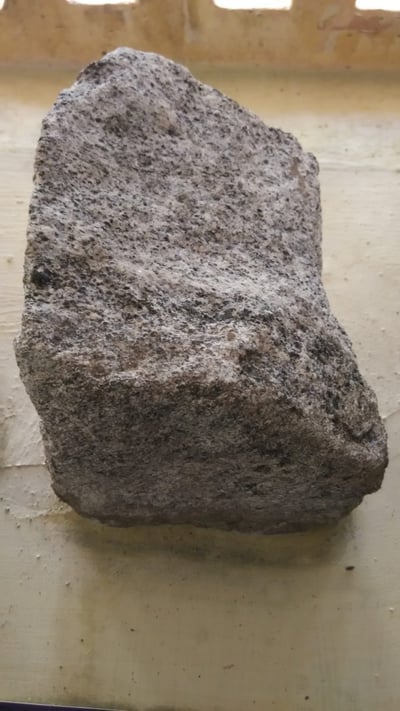
Rhyolite is a volcanic rock sometimes confused with jasper. Rhyolitic lavas form thick flows or steep-sided piles called lava domes. Precious gem deposits commonly occur in rhyolite’s gas pockets known as vugs. It is rarely used in construction or manufacturing because it fractures easily but is sometimes used to produce crushed stone for road fill.
Uses & Applications
Rhyolite is a hard stone that has been used in construction since prehistoric times. The stone is easy to shape and can hold a sharp edge. Ancient humans often fashioned knives out of rhyolite. Crushing the stone turns it into abrasive pumice that’s used in concrete.
Healing Properties
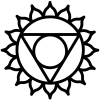
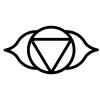
Rhyolite is an excellent stone for the procrastinator who needs a little encouragement. It works on the Crown and Third Eye chakras to stimulate creativity and insightful thinking. Believers say it encourages progress and change while boosting self-esteem and confidence. Use it for meditation, wear it, or keep it in the home.
Discover Values
Market Value Factors
Pricing varies for every rock and mineral, so use these universal factors to gauge Rhyolite before comparing listings or appraisals.
Size & Weight
Larger, intact specimens usually command higher prices.
Rarity & Demand
Scarce material or popular varieties sell at a premium.
Condition & Finish
Chips, repairs, and heavy wear lower value; clean prep helps.
Treatment & Provenance
Untreated specimens with documented locality are prized.
Rhyolite Localities Map
See where Rhyolite is found with a localities map, collecting zones, and geology context. Generate a sample map preview below.
Associated Chakras

Key Characteristics
Formation of Rhyolite
Rhyolite has been found on islands far from land, but such oceanic occurrences are rare.
Quick Facts
Physical Properties
- Color
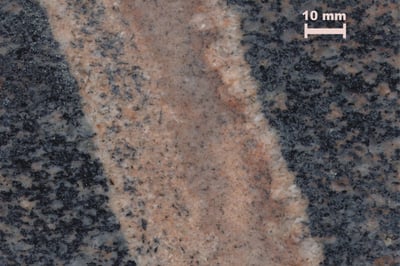
- Light grey to pink, brown, purple, green, sometimes flow-banded
- Hardness (Mohs)
- 6
- Density
- 2.4 - 2.6 g/cm³
Chemical Properties
Also Known As
Identify Rhyolite Instantly
- Snap a photo, get instant results
- 6,700+ rocks, minerals & crystals
- Discover collecting spots near you
Rhyolite FAQs
How do I identify Rhyolite?
Rhyolite can be identified by its hardness of 6 on the Mohs scale, Light grey to pink color. Look for these key characteristics when examining specimens.
What color is Rhyolite?
Rhyolite typically appears in Light grey to pink, brown, purple, green, sometimes flow-banded. Color can vary depending on impurities and formation conditions.
How hard is Rhyolite?
Rhyolite has a hardness of 6 on the Mohs scale. This gives it moderate hardness.
What is the formation of rhyolite of Rhyolite?
Rhyolite has been found on islands far from land, but such oceanic occurrences are rare.