Pumice
A variety of Igneous

What is Pumice?
Pumice is an airy, fine-grained volcanic rock, used in horticulture and gardening, as well as for the production of lightweight concrete blocks. It is also used in various abrasives and absorbents. It has a wide application in architecture – the ancient Roman temple Pantheon was made with lightweight pumice aggregate. It's similar to Scoria, but the latter one sinks in water, while pumice floats.
Uses & Applications
Pumice is a very light weight, porous and abrasive material and it has been used for centuries in the construction and beauty industry as well as in early medicine. It is also used as an abrasive, especially in polishes, pencil erasers, and the production of stone-washed jeans. Pumice was also used in the early book making industry to prepare parchment paper and leather bindings. There is high demand for pumice, particularly for water filtration, chemical spill containment, cement manufacturing, horticulture and increasingly for the pet industry. The mining of pumice in environmentally sensitive areas has been under more scrutiny after such an operation was stopped in the U.S. state of Oregon, at Rock Mesa in the southern part of the Three Sisters Wilderness.
Healing Properties
The purported effect of pumice is that it pinpoints hurt feelings and actively heals them. It's also said to aid the formation of healthy relationships to surround you with like-minded people who bring positivity to your life. Pumice is recommended for business people, as it supposedly encourages strong teamwork and cohesiveness.
Discover Values
Market Value Factors
Pricing varies for every rock and mineral, so use these universal factors to gauge Pumice before comparing listings or appraisals.
Size & Weight
Larger, intact specimens usually command higher prices.
Rarity & Demand
Scarce material or popular varieties sell at a premium.
Condition & Finish
Chips, repairs, and heavy wear lower value; clean prep helps.
Treatment & Provenance
Untreated specimens with documented locality are prized.
Pumice Localities Map
See where Pumice is found with a localities map, collecting zones, and geology context. Generate a sample map preview below.
Key Characteristics
Characteristics of Pumice
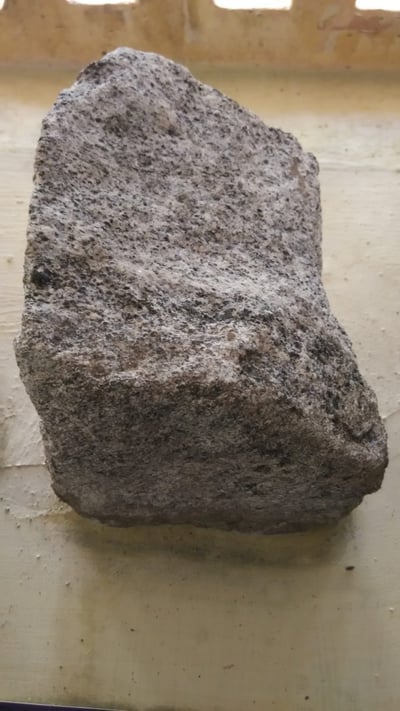
Pumice is composed of highly microvesicular glass pyroclastic with very thin, translucent bubble walls of extrusive igneous rock. It is commonly but not exclusively of silicic or felsic to intermediate in composition (e.g., rhyolitic, dacitic, andesite, pantellerite, phonolite, trachyte), but basaltic and other compositions are known. Pumice is commonly pale in color, ranging from white, cream, blue or grey, to green-brown or black. It forms when volcanic gases exsolving from viscous magma form bubbles that remain within the viscous magma as it cools to glass. Pumice is a common product of explosive eruptions (plinian and ignimbrite-forming) and commonly forms zones in upper parts of silicic lavas. Pumice has a porosity of 64–85% by volume and it floats on water, possibly for years, until it is eventually waterlogged and sinks. Scoria differs from pumice in being denser. With larger vesicles and thicker vesicle walls, scoria sinks rapidly. The difference is the result of the lower viscosity of the magma that forms scoria. When larger amounts of gas are present, the result is a finer-grained variety of pumice known as pumicite. Pumicite consists of particles less than 4mm in size. Pumice is considered a volcanic glass because it has no crystal structure. Pumice varies in density according to the thickness of the solid material between the bubbles; many samples float in water. After the explosion of Krakatoa, rafts of pumice drifted through the Indian Ocean for up to 20 years, with tree trunks floating among them. In fact, pumice rafts disperse and support several marine species. In 1979, 1984 and 2006, underwater volcanic eruptions near Tonga created large pumice rafts that floated hundreds of kilometres to Fiji. There are two main forms of vesicles. Most pumice contains tubular microvesicles that can impart a silky or fibrous fabric. The elongation of the microvesicles occurs due to ductile elongation in the volcanic conduit or, in the case of pumiceous lavas, during flow. The other form of vesicles are subspherical to spherical and result from high vapor pressure during eruption.
Quick Facts
Physical Properties
- Color
- Light-colors, typically beige, grey, white, brown
- Hardness (Mohs)
- 6
- Density
- 0.25 - 0.3 g/cm³
Also Known As
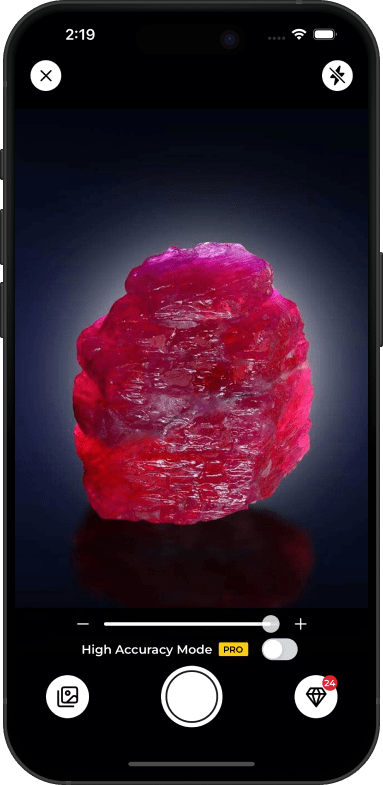
Identify Pumice Instantly
- Snap a photo, get instant results
- 6,700+ rocks, minerals & crystals
- Discover collecting spots near you
Pumice FAQs
How do I identify Pumice?
Pumice can be identified by its hardness of 6 on the Mohs scale, Light-colors color. Look for these key characteristics when examining specimens.
What color is Pumice?
Pumice typically appears in Light-colors, typically beige, grey, white, brown. Color can vary depending on impurities and formation conditions.
How hard is Pumice?
Pumice has a hardness of 6 on the Mohs scale. This gives it moderate hardness.
What is the characteristics of pumice of Pumice?
Pumice is composed of highly microvesicular glass pyroclastic with very thin, translucent bubble walls of extrusive igneous rock. It is commonly but not exclusively of silicic or felsic to intermediate in composition (e.g., rhyolitic, dacitic, andesite, pantellerite, phonolite, trachyte), but basaltic and other compositions are known. Pumice is commonly pale in color, ranging from white, cream, blue or grey, to green-brown or black. It forms when volcanic gases exsolving from viscous magma form bubbles that remain within the viscous magma as it cools to glass. Pumice is a common product of explosive eruptions (plinian and ignimbrite-forming) and commonly forms zones in upper parts of silicic lavas. Pumice has a porosity of 64–85% by volume and it floats on water, possibly for years, until it is eventually waterlogged and sinks. Scoria differs from pumice in being denser. With larger vesicles and thicker vesicle walls, scoria sinks rapidly. The difference is the result of the lower viscosity of the magma that forms scoria. When larger amounts of gas are present, the result is a finer-grained variety of pumice known as pumicite. Pumicite consists of particles less than 4mm in size. Pumice is considered a volcanic glass because it has no crystal structure. Pumice varies in density according to the thickness of the solid material between the bubbles; many samples float in water. After the explosion of Krakatoa, rafts of pumice drifted through the Indian Ocean for up to 20 years, with tree trunks floating among them. In fact, pumice rafts disperse and support several marine species. In 1979, 1984 and 2006, underwater volcanic eruptions near Tonga created large pumice rafts that floated hundreds of kilometres to Fiji. There are two main forms of vesicles. Most pumice contains tubular microvesicles that can impart a silky or fibrous fabric. The elongation of the microvesicles occurs due to ductile elongation in the volcanic conduit or, in the case of pumiceous lavas, during flow. The other form of vesicles are subspherical to spherical and result from high vapor pressure during eruption.