Porphyry
A variety of Igneous
What is Porphyry?
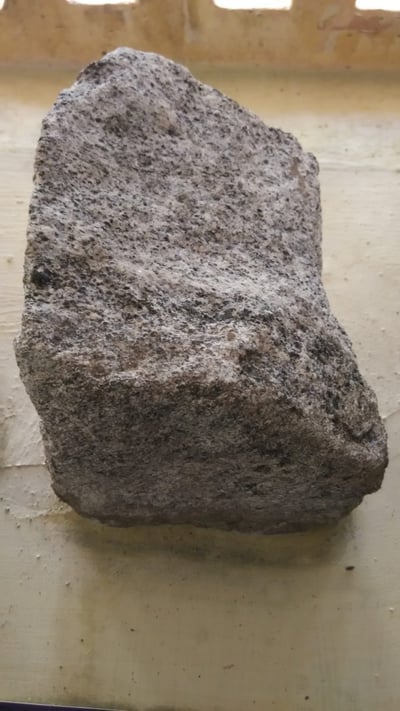
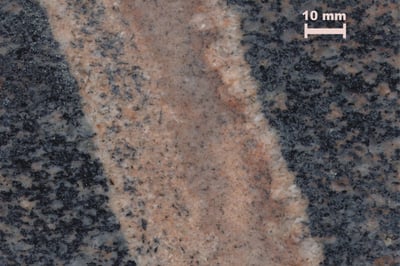
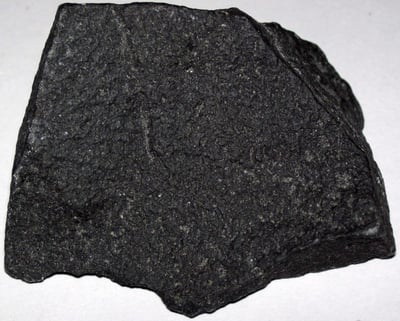
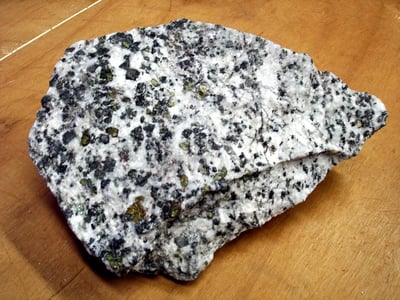
Porphyry is less of a single rock and more of a category - it's used to refer to igneous rocks with large, distinguishable grains intermixed with many tiny grains. One porphyry variety found around the Mediterranean, sometimes called "Imperial Porphyry", is famous for its deep purple-red hue. This stone was used in everything from jewelry to statues to buildings across the ancient world - from Egypt to Crete to Rome to Byzantium.
Uses & Applications
Porphyry is commonly quarried for its use in construction materials, including cobblestones used in buildings, gardens, fire pits, and sidewalks. The deep red-purple color of many varieties also makes it a popular choice for ornamental purposes, including statues and monuments.
Discover Values
Market Value Factors
Pricing varies for every rock and mineral, so use these universal factors to gauge Porphyry before comparing listings or appraisals.
Size & Weight
Larger, intact specimens usually command higher prices.
Rarity & Demand
Scarce material or popular varieties sell at a premium.
Condition & Finish
Chips, repairs, and heavy wear lower value; clean prep helps.
Treatment & Provenance
Untreated specimens with documented locality are prized.
Porphyry Localities Map
See where Porphyry is found with a localities map, collecting zones, and geology context. Generate a sample map preview below.
Key Characteristics
Formation of Porphyry
Porphyry deposits are formed when a column of rising magma is cooled in two stages. In the first stage, the magma is cooled slowly deep in the crust, creating the large crystal grains with a diameter of 2 mm or more. In the second and final stage, the magma is cooled rapidly at relatively shallow depth or as it erupts from a volcano, creating small grains that are usually invisible to the unaided eye.
Quick Facts
Physical Properties
- Color
- Purple, red, black, brown, grey, green, etc.
- Density
- 2.65 - 2.75 g/cm³
Also Known As
Identify Porphyry Instantly
- Snap a photo, get instant results
- 6,700+ rocks, minerals & crystals
- Discover collecting spots near you
Porphyry FAQs
How do I identify Porphyry?
Porphyry can be identified by its Purple color. Look for these key characteristics when examining specimens.
What color is Porphyry?
Porphyry typically appears in Purple, red, black, brown, grey, green, etc.. Color can vary depending on impurities and formation conditions.
What is the formation of porphyry of Porphyry?
Porphyry deposits are formed when a column of rising magma is cooled in two stages. In the first stage, the magma is cooled slowly deep in the crust, creating the large crystal grains with a diameter of 2 mm or more. In the second and final stage, the magma is cooled rapidly at relatively shallow depth or as it erupts from a volcano, creating small grains that are usually invisible to the unaided eye.