Phonolite
A variety of Igneous
What is Phonolite?
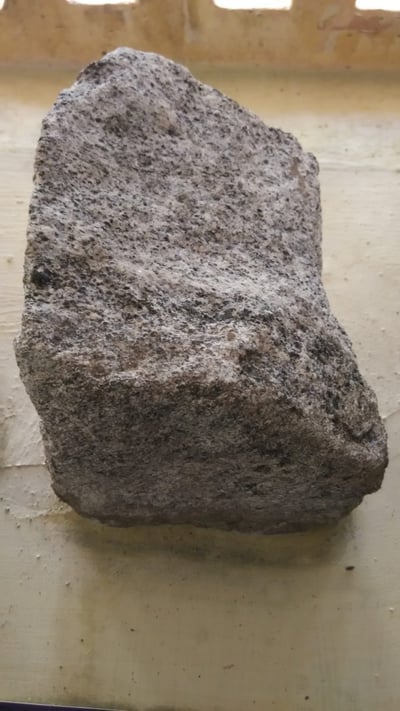
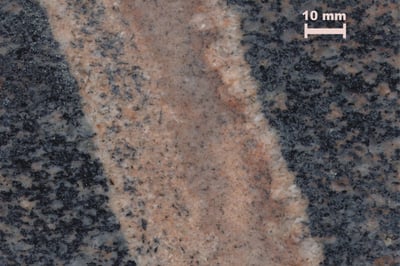
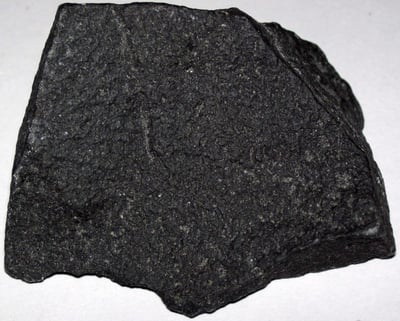
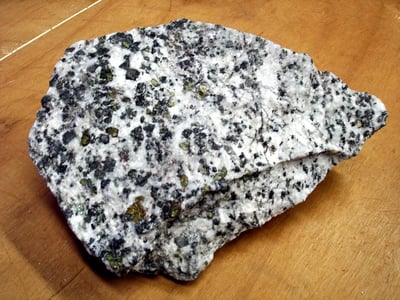
Phonolite is an uncommon extrusive rock, of intermediate chemical composition between felsic and mafic, with texture ranging from aphanitic (fine-grain) to porphyritic (mixed fine- and coarse-grain). Its intrusive equivalent is nepheline syenite. The name phonolite comes from the Ancient Greek meaning "sounding stone" because of the metallic sound it produces if an unfractured plate is hit; hence the English name clinkstone.
Market Value Factors
Pricing varies for every rock and mineral, so use these universal factors to gauge Phonolite before comparing listings or appraisals.
Size & Weight
Larger, intact specimens usually command higher prices.
Rarity & Demand
Scarce material or popular varieties sell at a premium.
Condition & Finish
Chips, repairs, and heavy wear lower value; clean prep helps.
Treatment & Provenance
Untreated specimens with documented locality are prized.
Phonolite Localities Map
See where Phonolite is found with a localities map, collecting zones, and geology context. Generate a sample map preview below.
Key Characteristics
Formation of Phonolite
Unusually, phonolite forms from magma with a relatively low silica content, generated by low degrees of partial melting (less than 10%) of highly aluminous rocks of the lower crust such as tonalite, monzonite and metamorphic rocks. Melting of such rocks to a very low degree promotes the liberation of aluminium, potassium, sodium and calcium by melting of feldspar, with some involvement of mafic minerals. Because the rock is silica-undersaturated, it has no quartz or other silica crystals, and is dominated by low-silica feldspathoid minerals more than feldspar minerals. A few geological processes and tectonic events can melt the necessary precursor rocks to form phonolite. These include intracontinental hotspot volcanism, such as may form above mantle plumes covered by thick continental crust. A-type granites and alkaline igneous provinces usually occur alongside phonolites. Low-degree partial melting of underplates of granitic material in collisional orogenic belts may also produce phonolites.
Quick Facts
Physical Properties
- Color
- Brown, Buff, Cream, Green, Grey, Pink, White
- Streak
- White
Chemical Properties
Also Known As
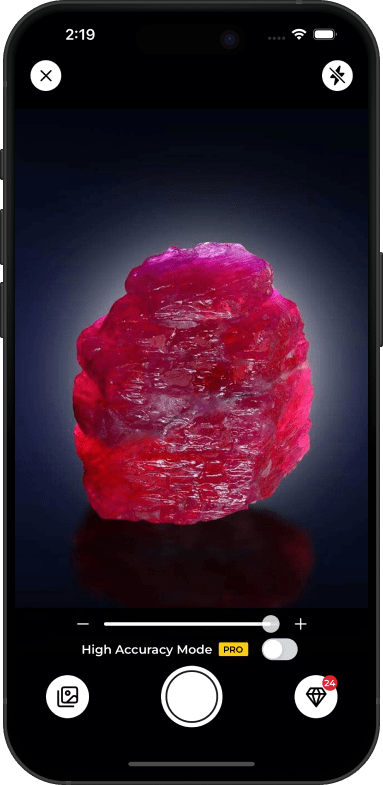
Identify Phonolite Instantly
- Snap a photo, get instant results
- 6,700+ rocks, minerals & crystals
- Discover collecting spots near you
Phonolite FAQs
How do I identify Phonolite?
Phonolite can be identified by its Brown color. Look for these key characteristics when examining specimens.
What color is Phonolite?
Phonolite typically appears in Brown, Buff, Cream, Green, Grey, Pink, White. Color can vary depending on impurities and formation conditions.
What is the formation of phonolite of Phonolite?
Unusually, phonolite forms from magma with a relatively low silica content, generated by low degrees of partial melting (less than 10%) of highly aluminous rocks of the lower crust such as tonalite, monzonite and metamorphic rocks. Melting of such rocks to a very low degree promotes the liberation of aluminium, potassium, sodium and calcium by melting of feldspar, with some involvement of mafic minerals. Because the rock is silica-undersaturated, it has no quartz or other silica crystals, and is dominated by low-silica feldspathoid minerals more than feldspar minerals. A few geological processes and tectonic events can melt the necessary precursor rocks to form phonolite. These include intracontinental hotspot volcanism, such as may form above mantle plumes covered by thick continental crust. A-type granites and alkaline igneous provinces usually occur alongside phonolites. Low-degree partial melting of underplates of granitic material in collisional orogenic belts may also produce phonolites.