Peridotite
A variety of Igneous

What is Peridotite?
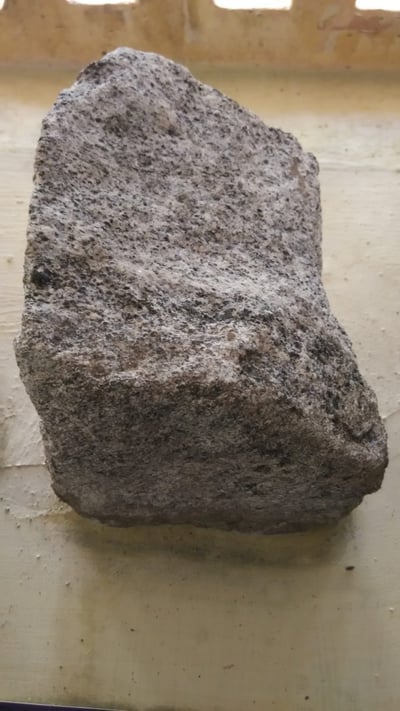
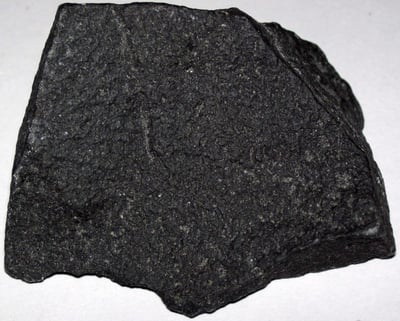
Peridotite is an igneous rock easily recognized by its deep olive coloration (the rock’s name is derived from the similarly-colored gemstone, peridot). Commercially valuable, this rock is the only known source of chromite, an ore of chromium, which is used in manufacturing stainless steel. Platinum, nickel, diamonds, and gemstone-quality garnet may also be found embedded within peridotite.
Uses & Applications
Peridotite is a source of many gemstones, including diamonds. It is also a source of chromium and platinum ore, popularly used metal alloys, as well as talc which is commonly used in baby powder, cosmetics, and chalk. Peridotite may also be a good source of other minerals and elements, including iron, nickel, and cobalt.
Market Value Factors
Pricing varies for every rock and mineral, so use these universal factors to gauge Peridotite before comparing listings or appraisals.
Size & Weight
Larger, intact specimens usually command higher prices.
Rarity & Demand
Scarce material or popular varieties sell at a premium.
Condition & Finish
Chips, repairs, and heavy wear lower value; clean prep helps.
Treatment & Provenance
Untreated specimens with documented locality are prized.
Peridotite Localities Map
See where Peridotite is found with a localities map, collecting zones, and geology context. Generate a sample map preview below.
Key Characteristics
Rock Types of Peridotite
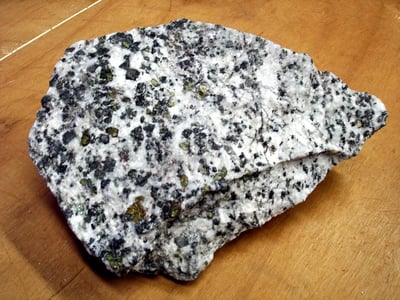
Dunite: more than 90% olivine, typically with Mg/Fe ratio of about 9:1. Wehrlite: mostly composed of olivine plus clinopyroxene. Harzburgite: mostly composed of olivine plus orthopyroxene, and relatively low proportions of basaltic ingredients (because garnet and clinopyroxene are minor). Lherzolite: most common form of peridotite, mostly composed of olivine, orthopyroxene (commonly enstatite), and clinopyroxene (diopside), and have relatively high proportions of basaltic ingredients (garnet and clinopyroxene). Partial fusion of lherzolite and extraction of the melt fraction can leave a solid residue of harzburgite.
Formation of Peridotite
Peridotite have two primary modes of origin, as mantle rocks formed during the accretion and differentiation of the Earth, or as cumulate rocks formed by precipitation of olivine ± pyroxenes from basaltic or ultramafic magmas; these magmas are ultimately derived from the upper mantle by partial melting of mantle peridotites.
Composition of Peridotite
Olivine is a magnesium orthosilicate containing some iron with the variable formula (Mg,Fe)2SiO4; the pyroxenes are chain silicates having the variable formula (Ca,Na,Fe,Mg)(Cr,Al,Fe,Mg,Mn,Ti,V)Si2O6 comprising a large number of different minerals. Magnesium-rich olivine forms a large proportion of peridotite, and so magnesium content is high. Layered igneous complexes have much more varied compositions, depending on the fractions of pyroxenes, chromite, plagioclase, and amphibole.
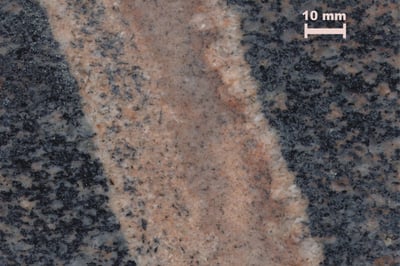
Clasts of Peridotite
Characterized by high Cr and Ni concentrations.
More Images


Quick Facts
Physical Properties
- Color
- Greenish-gray, black, dark gray, yellowish-green
- Hardness (Mohs)
- 6.5 - 7
- Density
- 3.1 - 3.4 g/cm³
Chemical Properties

Identify Peridotite Instantly
- Snap a photo, get instant results
- 6,700+ rocks, minerals & crystals
- Discover collecting spots near you
Peridotite FAQs
How do I identify Peridotite?
Peridotite can be identified by its hardness of 6.5 - 7 on the Mohs scale, Greenish-gray color. Look for these key characteristics when examining specimens.
What color is Peridotite?
Peridotite typically appears in Greenish-gray, black, dark gray, yellowish-green. Color can vary depending on impurities and formation conditions.
How hard is Peridotite?
Peridotite has a hardness of 6.5 - 7 on the Mohs scale. This gives it moderate hardness.
What is the rock types of peridotite of Peridotite?
Dunite: more than 90% olivine, typically with Mg/Fe ratio of about 9:1. Wehrlite: mostly composed of olivine plus clinopyroxene. Harzburgite: mostly composed of olivine plus orthopyroxene, and relatively low proportions of basaltic ingredients (because garnet and clinopyroxene are minor). Lherzolite: most common form of peridotite, mostly composed of olivine, orthopyroxene (commonly enstatite), and clinopyroxene (diopside), and have relatively high proportions of basaltic ingredients (garnet and clinopyroxene). Partial fusion of lherzolite and extraction of the melt fraction can leave a solid residue of harzburgite.
What is the formation of peridotite of Peridotite?
Peridotite have two primary modes of origin, as mantle rocks formed during the accretion and differentiation of the Earth, or as cumulate rocks formed by precipitation of olivine ± pyroxenes from basaltic or ultramafic magmas; these magmas are ultimately derived from the upper mantle by partial melting of mantle peridotites.
What is the composition of peridotite of Peridotite?
Olivine is a magnesium orthosilicate containing some iron with the variable formula (Mg,Fe)2SiO4; the pyroxenes are chain silicates having the variable formula (Ca,Na,Fe,Mg)(Cr,Al,Fe,Mg,Mn,Ti,V)Si2O6 comprising a large number of different minerals. Magnesium-rich olivine forms a large proportion of peridotite, and so magnesium content is high. Layered igneous complexes have much more varied compositions, depending on the fractions of pyroxenes, chromite, plagioclase, and amphibole.