Lamprophyre
A variety of Igneous
What is Lamprophyre?
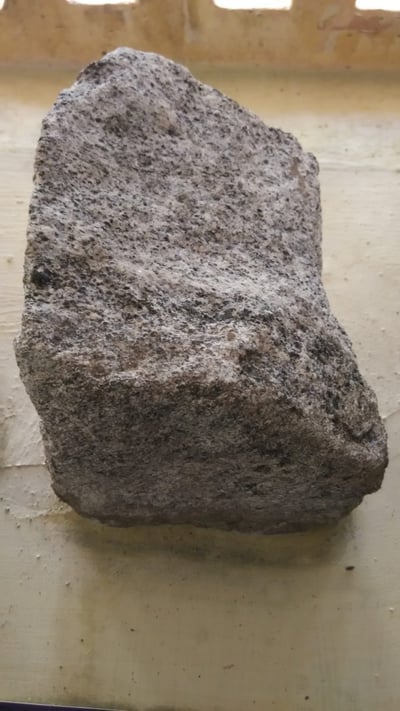
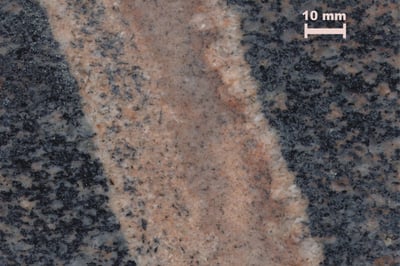
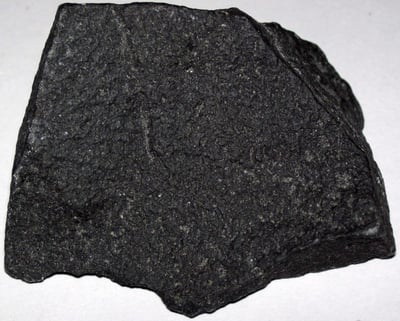
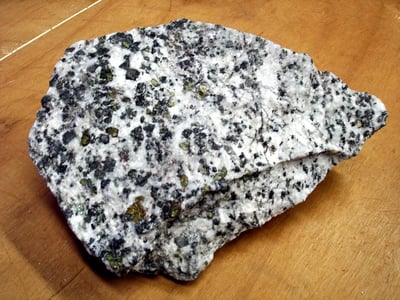
Lamprophyres (Greek λαμπρός (lamprós) = "bright" and φύρω (phýro) = to mix) are uncommon, small volume ultrapotassic igneous rocks primarily occurring as dikes, lopoliths, laccoliths, stocks and small intrusions. They are alkaline silica-undersaturated mafic or ultramafic rocks with high magnesium oxide, >3% potassium oxide, high sodium oxide and high nickel and chromium. Lamprophyres occur throughout all geologic eras. Archaean examples are commonly associated with lode gold deposits. Cenozoic examples include magnesian rocks in Mexico and South America, and young ultramafic lamprophyres from Gympie in Australia with 18.5% MgO at ~250 Ma.
Market Value Factors
Pricing varies for every rock and mineral, so use these universal factors to gauge Lamprophyre before comparing listings or appraisals.
Size & Weight
Larger, intact specimens usually command higher prices.
Rarity & Demand
Scarce material or popular varieties sell at a premium.
Condition & Finish
Chips, repairs, and heavy wear lower value; clean prep helps.
Treatment & Provenance
Untreated specimens with documented locality are prized.
Lamprophyre Localities Map
See where Lamprophyre is found with a localities map, collecting zones, and geology context. Generate a sample map preview below.
Key Characteristics
Composition of Lamprophyre
Modern science treats lamprophyres as a catch-all term for ultrapotassic mafic igneous rocks which have primary mineralogy consisting of amphibole or biotite, and with feldspar in the groundmass. Lamprophyres are not amenable to classification according to modal proportions, such as the system QAPF due to peculiar mineralogy, nor compositional discrimination diagrams, such as TAS because of their peculiar geochemistry. They are classified under the IUGS Nomenclature for Igneous Rocks (Le Maitre et al., 1989) separately; this is primarily because they are rare, have peculiar mineralogy and do not fit classical classification schemes. For example, the TAS scheme is inappropriate due to the control of mineralogy by potassium, not by calcium or sodium. Mitchell has suggested that rocks belonging to the "lamprophyre facies" are characterized by the presence of phenocrysts of mica and/or amphibole together with lesser clinopyroxene and/or melilite set in a groundmass which may consist (either singly or in various combinations) of plagioclase, alkali feldspar, feldspathoids, carbonate, monticellite, melilite, mica, amphibole, pyroxene, perovskite, Fe-Ti oxides and glass. Classification schemes which include genetic information, may be required to properly describe lamprophyres.
Quick Facts
Physical Properties
- Color
- Dark-colored
- Streak
- White
Chemical Properties

Identify Lamprophyre Instantly
- Snap a photo, get instant results
- 6,700+ rocks, minerals & crystals
- Discover collecting spots near you
Lamprophyre FAQs
How do I identify Lamprophyre?
Lamprophyre can be identified by its Dark-colored color. Look for these key characteristics when examining specimens.
What color is Lamprophyre?
Lamprophyre typically appears in Dark-colored. Color can vary depending on impurities and formation conditions.
What is the composition of lamprophyre of Lamprophyre?
Modern science treats lamprophyres as a catch-all term for ultrapotassic mafic igneous rocks which have primary mineralogy consisting of amphibole or biotite, and with feldspar in the groundmass. Lamprophyres are not amenable to classification according to modal proportions, such as the system QAPF due to peculiar mineralogy, nor compositional discrimination diagrams, such as TAS because of their peculiar geochemistry. They are classified under the IUGS Nomenclature for Igneous Rocks (Le Maitre et al., 1989) separately; this is primarily because they are rare, have peculiar mineralogy and do not fit classical classification schemes. For example, the TAS scheme is inappropriate due to the control of mineralogy by potassium, not by calcium or sodium. Mitchell has suggested that rocks belonging to the "lamprophyre facies" are characterized by the presence of phenocrysts of mica and/or amphibole together with lesser clinopyroxene and/or melilite set in a groundmass which may consist (either singly or in various combinations) of plagioclase, alkali feldspar, feldspathoids, carbonate, monticellite, melilite, mica, amphibole, pyroxene, perovskite, Fe-Ti oxides and glass. Classification schemes which include genetic information, may be required to properly describe lamprophyres.