Greisen
A variety of Igneous

What is Greisen?
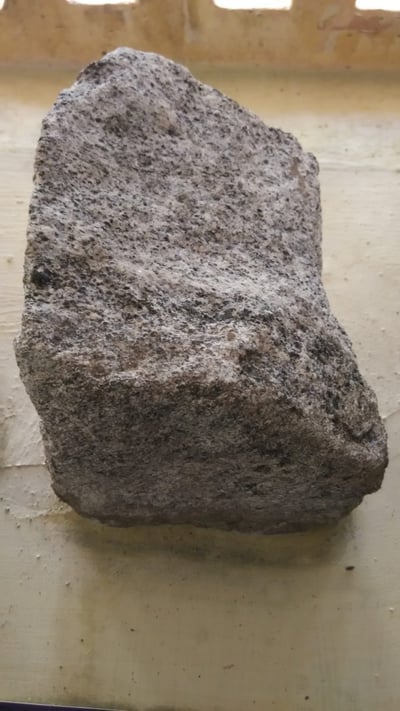
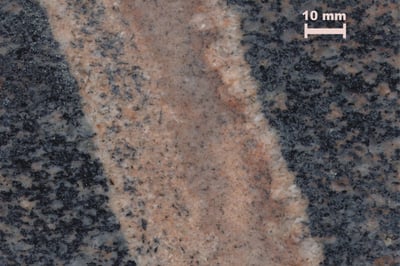
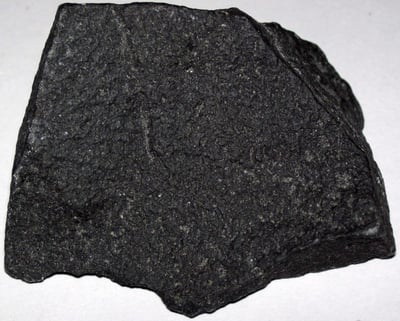
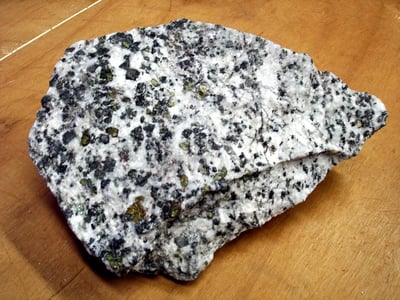
Greisen is a highly altered granitic rock or pegmatite. Greisen is formed by self-generated alteration of a granite and is a class of moderate- to high-temperature magmatic alteration related to release of volatiles dissolved in a magma during the solidification of that magma. Greisens appear as highly altered rocks, partly coarse, crystalline granite, partly vuggy with miarolitic cavities, disseminated halide minerals such as fluorite, and occasionally metallic oxide and sulfide ore minerals, borate minerals (tourmaline) and accessory phases such as sphene, beryl or topaz.
Market Value Factors
Pricing varies for every rock and mineral, so use these universal factors to gauge Greisen before comparing listings or appraisals.
Size & Weight
Larger, intact specimens usually command higher prices.
Rarity & Demand
Scarce material or popular varieties sell at a premium.
Condition & Finish
Chips, repairs, and heavy wear lower value; clean prep helps.
Treatment & Provenance
Untreated specimens with documented locality are prized.
Greisen Localities Map
See where Greisen is found with a localities map, collecting zones, and geology context. Generate a sample map preview below.
Key Characteristics
Characteristics of Greisen
Greisens appear to be restricted to intrusions which are emplaced high in the crust, generally at a depth between 0.5 and 5 km, with upper aureoles which are sealed shut to prevent fluids escaping. This is generally required, as the boiling to produce greisenation cannot occur deeper than about 5 kilometres. They are also generally associated only with potassic igneous rocks; S-type granite, not I-type granodiorite or diorite. Greisens are prospective for mineralisation because the last fluids of granite crystallization tend to concentrate incompatible elements such as tin, tungsten, molybdenum and fluorine, as well as metals such as gold, silver, and occasionally copper. Tectonically, greisen granites are generally associated with generation of S-type suites of granites in thick arc and back-arc fold belts where subducted sedimentary and felsic rock is melted.
Formation of Greisen
Greisens are formed by endoskarn alteration of granite during the cooling stages of emplacement. Greisen fluids are formed by granites as the last highly gas- and water-rich phases of complete crystallisation of granite melts. This fluid is forced into the interstitial spaces of the granite and pools at the upper margins, where boiling and alteration occur.
More Images


Quick Facts
Physical Properties
- Color
- Silvery
Identify Greisen Instantly
- Snap a photo, get instant results
- 6,700+ rocks, minerals & crystals
- Discover collecting spots near you
Greisen FAQs
How do I identify Greisen?
Greisen can be identified by its Silvery color. Look for these key characteristics when examining specimens.
What color is Greisen?
Greisen typically appears in Silvery. Color can vary depending on impurities and formation conditions.
What is the characteristics of greisen of Greisen?
Greisens appear to be restricted to intrusions which are emplaced high in the crust, generally at a depth between 0.5 and 5 km, with upper aureoles which are sealed shut to prevent fluids escaping. This is generally required, as the boiling to produce greisenation cannot occur deeper than about 5 kilometres. They are also generally associated only with potassic igneous rocks; S-type granite, not I-type granodiorite or diorite. Greisens are prospective for mineralisation because the last fluids of granite crystallization tend to concentrate incompatible elements such as tin, tungsten, molybdenum and fluorine, as well as metals such as gold, silver, and occasionally copper. Tectonically, greisen granites are generally associated with generation of S-type suites of granites in thick arc and back-arc fold belts where subducted sedimentary and felsic rock is melted.
What is the formation of greisen of Greisen?
Greisens are formed by endoskarn alteration of granite during the cooling stages of emplacement. Greisen fluids are formed by granites as the last highly gas- and water-rich phases of complete crystallisation of granite melts. This fluid is forced into the interstitial spaces of the granite and pools at the upper margins, where boiling and alteration occur.