Granodiorite
A variety of Igneous

What is Granodiorite?
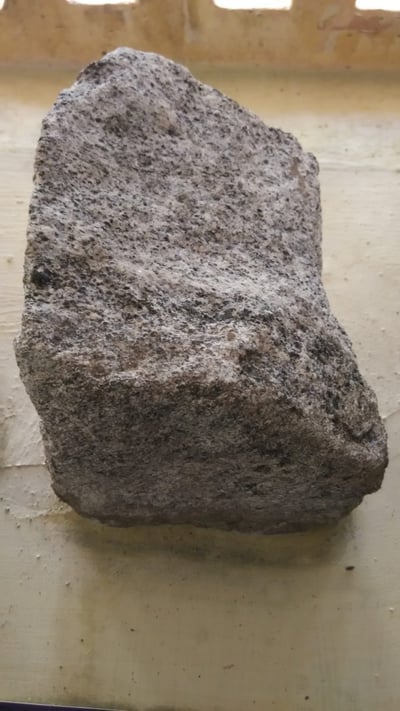
Granodiorite is a common, globally-distributed rock that is very similar in composition to granite. Several famous stone artifacts, including Plymouth Rock and the Rosetta Stone, are made from granodiorite. The rock has some industrial uses, being utilized as filler and in the construction of facades and pavement.
Etymology & Origins
The name comes from two related rocks to which granodiorite is an intermediate: granite and diorite. The gran- root comes from the Latin grānum for "grain", an English language derivative. Diorite is named after the contrasting colors of the rock.
Uses & Applications
Granodiorite is often used in construction, including for walls, cobblestones, and countertops. When crushed, it can also be used in road pavement. It was once a popular ornamental stone, and was used in construction since the time of the Ancient Romans.
Discover Values
Market Value Factors
Pricing varies for every rock and mineral, so use these universal factors to gauge Granodiorite before comparing listings or appraisals.
Size & Weight
Larger, intact specimens usually command higher prices.
Rarity & Demand
Scarce material or popular varieties sell at a premium.
Condition & Finish
Chips, repairs, and heavy wear lower value; clean prep helps.
Treatment & Provenance
Untreated specimens with documented locality are prized.
Granodiorite Localities Map
See where Granodiorite is found with a localities map, collecting zones, and geology context. Generate a sample map preview below.
Key Characteristics
Composition of Granodiorite
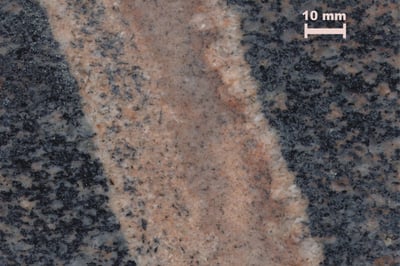
On average, the upper continental crust has the same composition as granodiorite. Granodiorite is a plutonic igneous rock, formed by intrusion of silica-rich magma, which cools in batholiths or stocks below the Earth's surface. It is usually only exposed at the surface after uplift and erosion have occurred.
Clasts of Granodiorite
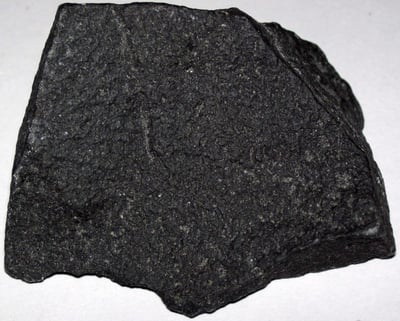
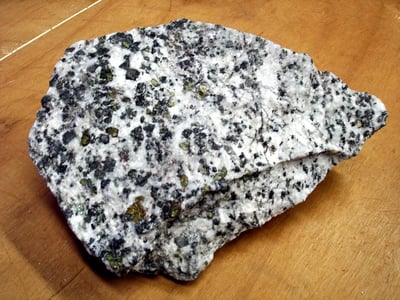
Dacite, andesite, granodiorite, diorite, vein quartz, and silicified tuff
More Images


Quick Facts
Physical Properties
- Color
- Light gray, light brown, red, pink, white, etc.
- Hardness (Mohs)
- 6
- Density
- 2.6 - 2.8 g/cm³
Chemical Properties
Identify Granodiorite Instantly
- Snap a photo, get instant results
- 6,700+ rocks, minerals & crystals
- Discover collecting spots near you
Granodiorite FAQs
How do I identify Granodiorite?
Granodiorite can be identified by its hardness of 6 on the Mohs scale, Light gray color. Look for these key characteristics when examining specimens.
What color is Granodiorite?
Granodiorite typically appears in Light gray, light brown, red, pink, white, etc.. Color can vary depending on impurities and formation conditions.
How hard is Granodiorite?
Granodiorite has a hardness of 6 on the Mohs scale. This gives it moderate hardness.
What is the composition of granodiorite of Granodiorite?
On average, the upper continental crust has the same composition as granodiorite. Granodiorite is a plutonic igneous rock, formed by intrusion of silica-rich magma, which cools in batholiths or stocks below the Earth's surface. It is usually only exposed at the surface after uplift and erosion have occurred.
What is the clasts of granodiorite of Granodiorite?
Dacite, andesite, granodiorite, diorite, vein quartz, and silicified tuff