Serpentinite
A variety of Metamorphic

What is Serpentinite?
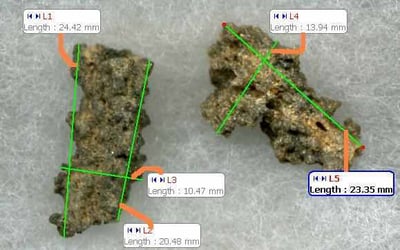
Serpentinite is so-named because its surface is often scaly in appearance, like a serpent. The rock often takes on a handsome dark green appearance, similar to some types of jade. Some varieties of serpentinite are easily carved and take a polish well, so they are used decoratively for everything from jewelry to statuettes to buildings. This is the state rock of California.
Uses & Applications
Serpentinite is easily carved, making it an excellent rock for creating small artifacts, trinkets, and gemstones. Serpentinite is also a major source of asbestos, a once popular material for building insulation, paint filler, and other construction materials that has fallen out of use due to its linkage with lung cancer.
Discover Values
Market Value Factors
Pricing varies for every rock and mineral, so use these universal factors to gauge Serpentinite before comparing listings or appraisals.
Size & Weight
Larger, intact specimens usually command higher prices.
Rarity & Demand
Scarce material or popular varieties sell at a premium.
Condition & Finish
Chips, repairs, and heavy wear lower value; clean prep helps.
Treatment & Provenance
Untreated specimens with documented locality are prized.
Serpentinite Localities Map
See where Serpentinite is found with a localities map, collecting zones, and geology context. Generate a sample map preview below.
Key Characteristics
Formation of Serpentinite
Serpentinite can form from olivine via several reactions. Olivine is a solid solution of forsterite, the magnesium-endmember, and fayalite, the iron-endmember.
Health & Safety Information
- ⚠️Serpentinite in powdered form can be toxic due to its Chrysotile Asbestos content.
- ⚠️Soil cover over serpentinite bedrock tends to be thin or absent. Soil with serpentine is poor in calcium and other major plant nutrients, but rich in elements toxic to plants such as chromium and nickel.
- ⚠️Serpentinite is safe to handle except in powder form. If you plan to cut or polish serpentinite, it's advisable to wear a dust mask to avoid inhaling any dust. Asbestos fibers are hazardous when inhaled, as they can lead to serious lung disease.
Quick Facts
Physical Properties
- Color
- Green, black, brown, etc.
- Hardness (Mohs)
- 2.5 - 3.5
- Density
- 2.5 - 2.62 g/cm³
Identify Serpentinite Instantly
- Snap a photo, get instant results
- 6,700+ rocks, minerals & crystals
- Discover collecting spots near you
Serpentinite FAQs
How do I identify Serpentinite?
Serpentinite can be identified by its hardness of 2.5 - 3.5 on the Mohs scale, Green color. Look for these key characteristics when examining specimens.
What color is Serpentinite?
Serpentinite typically appears in Green, black, brown, etc.. Color can vary depending on impurities and formation conditions.
How hard is Serpentinite?
Serpentinite has a hardness of 2.5 - 3.5 on the Mohs scale. This makes it a soft mineral that can be scratched easily.
What is the formation of serpentinite of Serpentinite?
Serpentinite can form from olivine via several reactions. Olivine is a solid solution of forsterite, the magnesium-endmember, and fayalite, the iron-endmember.