Anthracite
A variety of Metamorphic

What is Anthracite?
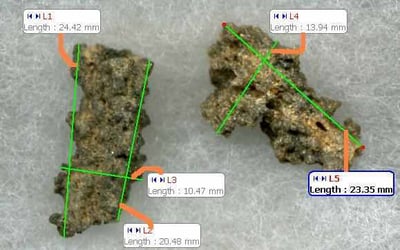
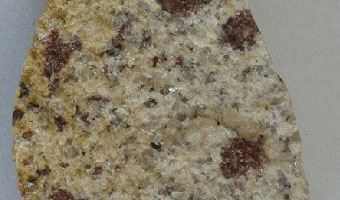
Anthracite, the highest grade of coal, is a metamorphic rock renowned for its lustrous appearance, hardness, and ability to burn with a clean, smokeless flame. With its elevated carbon content and low impurity levels, anthracite is prized for its high energy value, making it particularly valuable for industrial and residential use. The anthracite fields in Pennsylvania, USA have been a significant source of this coal for many years. Other countries that have notable anthracite reserves include China, Russia, Ukraine, and South Africa.
Market Value Factors
Pricing varies for every rock and mineral, so use these universal factors to gauge Anthracite before comparing listings or appraisals.
Size & Weight
Larger, intact specimens usually command higher prices.
Rarity & Demand
Scarce material or popular varieties sell at a premium.
Condition & Finish
Chips, repairs, and heavy wear lower value; clean prep helps.
Treatment & Provenance
Untreated specimens with documented locality are prized.
Anthracite Localities Map
See where Anthracite is found with a localities map, collecting zones, and geology context. Generate a sample map preview below.
More Images

Quick Facts
Physical Properties
- Color
- Black, dark gray
- Hardness (Mohs)
- 2.75 - 3
- Density
- 1.4 - 1.8 g/cm³
Also Known As
Identify Anthracite Instantly
- Snap a photo, get instant results
- 6,700+ rocks, minerals & crystals
- Discover collecting spots near you
Anthracite FAQs
How do I identify Anthracite?
Anthracite can be identified by its hardness of 2.75 - 3 on the Mohs scale, Black color. Look for these key characteristics when examining specimens.
What color is Anthracite?
Anthracite typically appears in Black, dark gray. Color can vary depending on impurities and formation conditions.
How hard is Anthracite?
Anthracite has a hardness of 2.75 - 3 on the Mohs scale. This makes it a soft mineral that can be scratched easily.