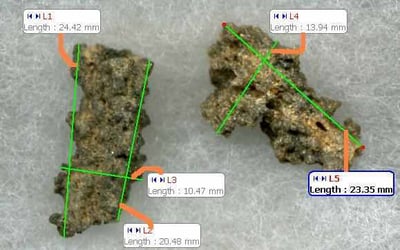
Migmatite
A variety of Metamorphic
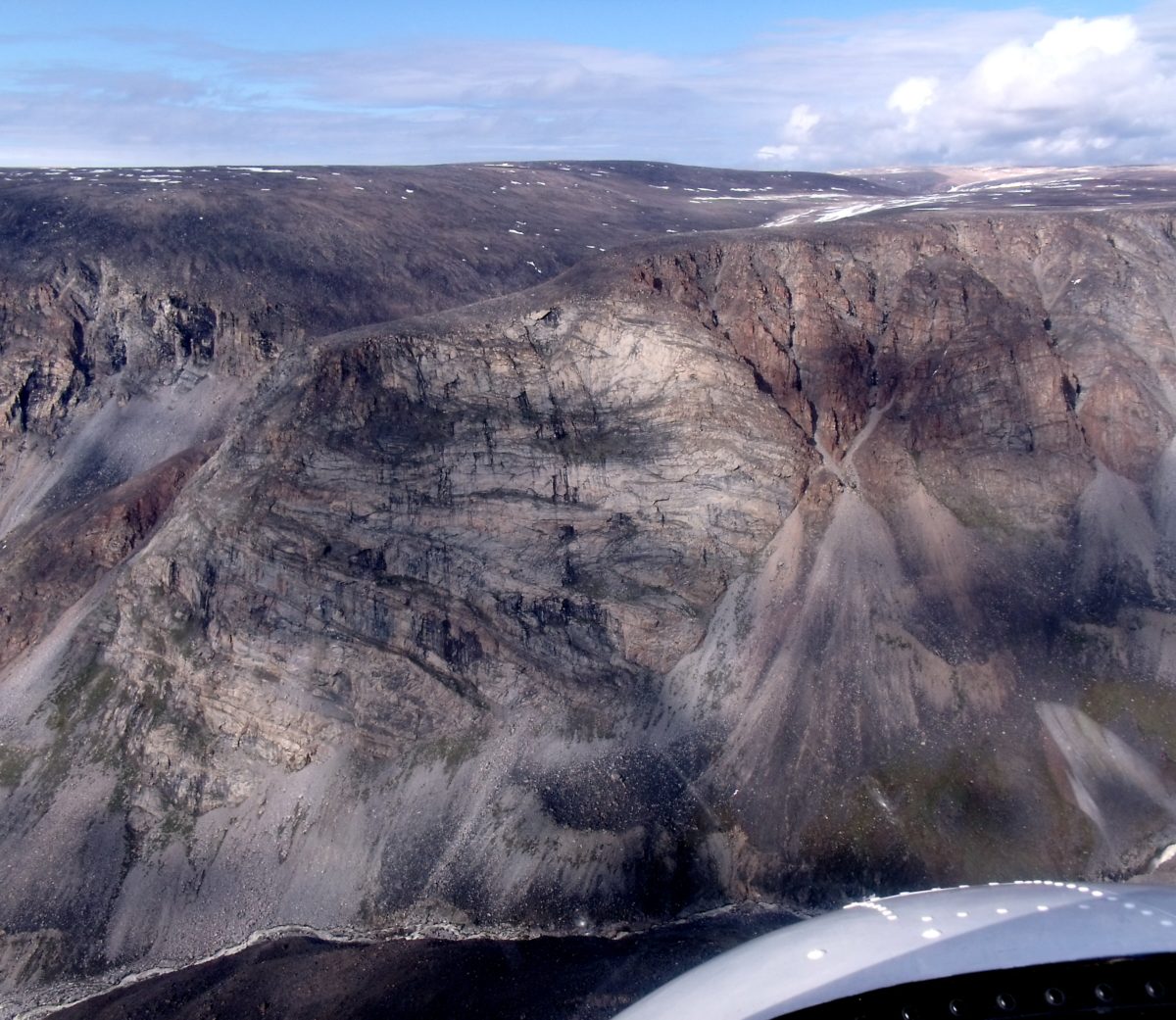
What is Migmatite?
A migmatite is a hybrid rock of sorts; it contains both igneous and metamorphic components, often in alternating layers. These layers tend to create striking, dark-and-light banding or waving patterns. Though they may be geologically fascinating and pretty to look at, migmatites have few commercial or industrial uses.
Uses & Applications
Migmatite is rarely used outside of the construction industry, and is a commonly used stone for creating foundations, flooring, and walls. When polished, it is an attractive choice for countertops and work surfaces. When crushed, it can be used in the creation of cement and road aggregate.
Market Value Factors
Pricing varies for every rock and mineral, so use these universal factors to gauge Migmatite before comparing listings or appraisals.
Size & Weight
Larger, intact specimens usually command higher prices.
Rarity & Demand
Scarce material or popular varieties sell at a premium.
Condition & Finish
Chips, repairs, and heavy wear lower value; clean prep helps.
Treatment & Provenance
Untreated specimens with documented locality are prized.
Migmatite Localities Map
See where Migmatite is found with a localities map, collecting zones, and geology context. Generate a sample map preview below.
Key Characteristics
Formation of Migmatite
Migmatite form under extreme temperature and pressure conditions during prograde metamorphism, when partial melting occurs in metamorphic paleosome. Components exsolved by partial melting are called neosome (meaning ‘new body’), which may or may not be heterogeneous at the microscopic to macroscopic scale.
Composition of Migmatite
It consists of two or more constituents often layered repetitively; one layer was formerly paleosome, a metamorphic rock that was reconstituted subsequently by partial melting; the alternate layer has a pegmatitic, aplitic, granitic or generally plutonic appearance.
Quick Facts
Physical Properties
- Color
- Black, bluish-grey, brown, brown-black, dark greenish-grey, dark grey to black, etc.
- Hardness (Mohs)
- 5.5 - 6.5
- Density
- 2.5 - 3 g/cm³
Identify Migmatite Instantly
- Snap a photo, get instant results
- 6,700+ rocks, minerals & crystals
- Discover collecting spots near you
Migmatite FAQs
How do I identify Migmatite?
Migmatite can be identified by its hardness of 5.5 - 6.5 on the Mohs scale, Black color. Look for these key characteristics when examining specimens.
What color is Migmatite?
Migmatite typically appears in Black, bluish-grey, brown, brown-black, dark greenish-grey, dark grey to black, etc.. Color can vary depending on impurities and formation conditions.
How hard is Migmatite?
Migmatite has a hardness of 5.5 - 6.5 on the Mohs scale. This gives it moderate hardness.
What is the formation of migmatite of Migmatite?
Migmatite form under extreme temperature and pressure conditions during prograde metamorphism, when partial melting occurs in metamorphic paleosome. Components exsolved by partial melting are called neosome (meaning ‘new body’), which may or may not be heterogeneous at the microscopic to macroscopic scale.
What is the composition of migmatite of Migmatite?
It consists of two or more constituents often layered repetitively; one layer was formerly paleosome, a metamorphic rock that was reconstituted subsequently by partial melting; the alternate layer has a pegmatitic, aplitic, granitic or generally plutonic appearance.