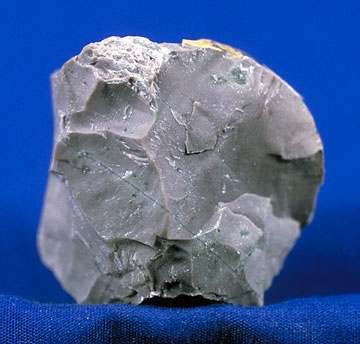
Conglomerate
A variety of Sedimentary
What is Conglomerate?
As its name suggests, conglomerate appears as a conglomeration of many smaller rocks. This sedimentary rock is made from stones, pebbles, or grains fused together and surrounded by a matrix of fine-grained sediments. Conglomerates are common and can be found all over the world – if you’ve spent a fair amount of time outdoors, chances are you’ve seen some. The stone has few commercial uses, though some attractive specimens can be used decoratively.
Uses & Applications
Conglomerate may be used in construction, much like sandstone or gravel, in buildings and outdoor materials. However, this rock is also commonly found just above petroleum and water deposits. As such, it is often used as a good indicator of nearby petroleum.
Discover Values
Market Value Factors
Pricing varies for every rock and mineral, so use these universal factors to gauge Conglomerate before comparing listings or appraisals.
Size & Weight
Larger, intact specimens usually command higher prices.
Rarity & Demand
Scarce material or popular varieties sell at a premium.
Condition & Finish
Chips, repairs, and heavy wear lower value; clean prep helps.
Treatment & Provenance
Untreated specimens with documented locality are prized.
Conglomerate Localities Map
See where Conglomerate is found with a localities map, collecting zones, and geology context. Generate a sample map preview below.
Key Characteristics
Rock Types of Conglomerate
Conglomerate may be named and classified by the: Amount and type of matrix present Composition of gravel-size clasts they contain Size range of gravel-size clasts present
Formation of Conglomerate
Conglomerate form by the consolidation and lithification of gravel. They can be found in sedimentary rock sequences of all ages but probably make up less than 1 percent by weight of all sedimentary rocks. In terms of origin and depositional mechanisms, they are closely related to sandstones and exhibit many of the same types of sedimentary structures, e.g., tabular and trough cross-bedding and graded bedding.
Clasts of Conglomerate
Variable, but generally harder rock types and / or minerals dominate
Quick Facts
Physical Properties
- Color
- Various colors
- Density
- 1.7 - 2.3 g/cm³
Also Known As
Identify Conglomerate Instantly
- Snap a photo, get instant results
- 6,700+ rocks, minerals & crystals
- Discover collecting spots near you
Conglomerate FAQs
How do I identify Conglomerate?
Conglomerate can be identified by its Various colors color. Look for these key characteristics when examining specimens.
What color is Conglomerate?
Conglomerate typically appears in Various colors. Color can vary depending on impurities and formation conditions.
What is the rock types of conglomerate of Conglomerate?
Conglomerate may be named and classified by the: Amount and type of matrix present Composition of gravel-size clasts they contain Size range of gravel-size clasts present
What is the formation of conglomerate of Conglomerate?
Conglomerate form by the consolidation and lithification of gravel. They can be found in sedimentary rock sequences of all ages but probably make up less than 1 percent by weight of all sedimentary rocks. In terms of origin and depositional mechanisms, they are closely related to sandstones and exhibit many of the same types of sedimentary structures, e.g., tabular and trough cross-bedding and graded bedding.
What is the clasts of conglomerate of Conglomerate?
Variable, but generally harder rock types and / or minerals dominate