Breccia
A variety of Sedimentary
What is Breccia?
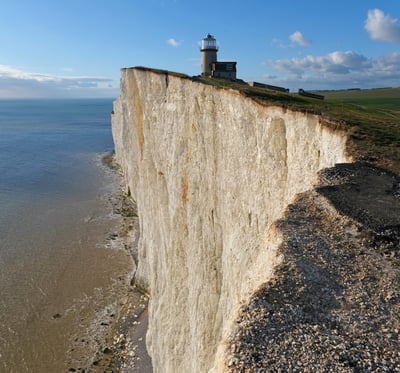
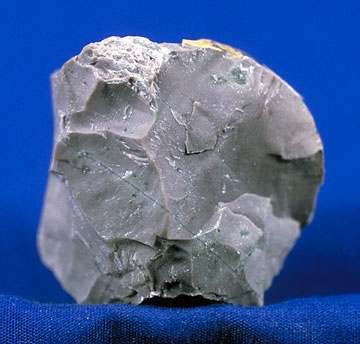
The word breccia is Italian for "rubble," and this gives a hint as to the rock’s appearance - large rock fragments are cemented together in a matrix. Some samples can be quite beautiful when polished or carved; many ancient societies, including the Egyptians and the Romans, utilized breccia in ornamental stone structures and buildings.
Uses & Applications
Because breccia can vary vastly in composition, its uses vary as well, though it is often used for construction purposes in flooring, walls, or outdoor materials. Breccia can also be found in sculptures and jewelry, and when crushed it can be used as road paving.
Discover Values
Market Value Factors
Pricing varies for every rock and mineral, so use these universal factors to gauge Breccia before comparing listings or appraisals.
Size & Weight
Larger, intact specimens usually command higher prices.
Rarity & Demand
Scarce material or popular varieties sell at a premium.
Condition & Finish
Chips, repairs, and heavy wear lower value; clean prep helps.
Treatment & Provenance
Untreated specimens with documented locality are prized.
Breccia Localities Map
See where Breccia is found with a localities map, collecting zones, and geology context. Generate a sample map preview below.
Key Characteristics
Rock Types of Breccia
Sedimentary Sedimentary breccia is a type of clastic sedimentary rock which is made of angular to subangular, randomly oriented clasts of other sedimentary rocks. Fault Fault breccia results from the grinding action of two fault blocks as they slide past each other. Subsequent cementation of these broken fragments may occur by means of the introduction of mineral matter in groundwater. Igneous Igneous clastic rocks can be divided into two classes: 1. Broken, fragmental rocks associated with volcanic eruptions, both of the lava and pyroclastic type; 2. Broken, fragmental rocks produced by intrusive processes, usually associated with plutons or porphyry stocks. Impact Impact breccias are thought to be diagnostic of an impact event such as an asteroid or comet striking the Earth and are normally found at impact craters. Impact breccia, a type of impactite, forms during the process of impact cratering when large meteorites or comets impact with the Earth or other rocky planets or asteroids. Hydrothermal Hydrothermal breccias usually form at shallow crustal levels (<1 km) between 150 - 350 ℃, when seismic or volcanic activity causes a void to open along a fault deep underground. The void draws in hot water, and as pressure in the cavity drops, the water violently boils.
Clasts of Breccia
Variable, but generally harder rock types and / or minerals dominate
Quick Facts
Physical Properties
- Color
- Various colors
- Density
- 2.5 - 2.9 g/cm³
Identify Breccia Instantly
- Snap a photo, get instant results
- 6,700+ rocks, minerals & crystals
- Discover collecting spots near you
Breccia FAQs
How do I identify Breccia?
Breccia can be identified by its Various colors color. Look for these key characteristics when examining specimens.
What color is Breccia?
Breccia typically appears in Various colors. Color can vary depending on impurities and formation conditions.
What is the rock types of breccia of Breccia?
Sedimentary Sedimentary breccia is a type of clastic sedimentary rock which is made of angular to subangular, randomly oriented clasts of other sedimentary rocks. Fault Fault breccia results from the grinding action of two fault blocks as they slide past each other. Subsequent cementation of these broken fragments may occur by means of the introduction of mineral matter in groundwater. Igneous Igneous clastic rocks can be divided into two classes: 1. Broken, fragmental rocks associated with volcanic eruptions, both of the lava and pyroclastic type; 2. Broken, fragmental rocks produced by intrusive processes, usually associated with plutons or porphyry stocks. Impact Impact breccias are thought to be diagnostic of an impact event such as an asteroid or comet striking the Earth and are normally found at impact craters. Impact breccia, a type of impactite, forms during the process of impact cratering when large meteorites or comets impact with the Earth or other rocky planets or asteroids. Hydrothermal Hydrothermal breccias usually form at shallow crustal levels (<1 km) between 150 - 350 ℃, when seismic or volcanic activity causes a void to open along a fault deep underground. The void draws in hot water, and as pressure in the cavity drops, the water violently boils.
What is the clasts of breccia of Breccia?
Variable, but generally harder rock types and / or minerals dominate