Vegetable Ivory
Tagua Nut
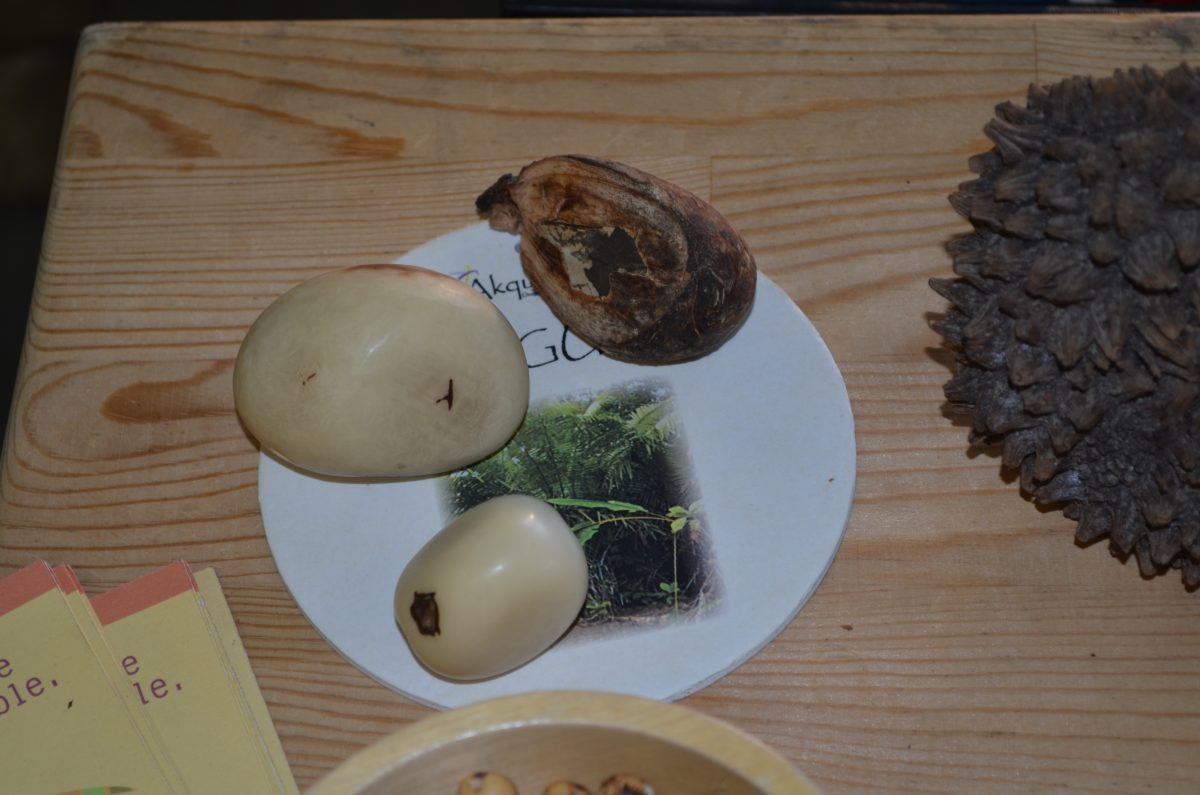
What is Vegetable Ivory?
Tagua Nut, also known as Vegetable Ivory, is a natural seed sourced from the Tagua palm tree, native to the tropical rainforests of South America. With a rich history dating back centuries, it has been traditionally used as a sustainable alternative to ivory due to its ivory-like appearance and texture. This versatile nut is widely used in jewelry-making, carving, and crafts, offering a cruelty-free and environmentally-friendly option for various creative endeavors.
Market Value Factors
Pricing varies for every rock and mineral, so use these universal factors to gauge Vegetable Ivory before comparing listings or appraisals.
Size & Weight
Larger, intact specimens usually command higher prices.
Rarity & Demand
Scarce material or popular varieties sell at a premium.
Condition & Finish
Chips, repairs, and heavy wear lower value; clean prep helps.
Treatment & Provenance
Untreated specimens with documented locality are prized.
Vegetable Ivory Localities Map
See where Vegetable Ivory is found with a localities map, collecting zones, and geology context. Generate a sample map preview below.
More Images

Quick Facts
Physical Properties
- Color
- Ivory, creamy white, light yellowish-brown
- Hardness (Mohs)
- 2.5
- Density
- 1.3 - 1.5 g/cm³
Identify Vegetable Ivory Instantly
- Snap a photo, get instant results
- 6,700+ rocks, minerals & crystals
- Discover collecting spots near you
Vegetable Ivory FAQs
How do I identify Vegetable Ivory?
Vegetable Ivory can be identified by its hardness of 2.5 on the Mohs scale, Ivory color. Look for these key characteristics when examining specimens.
What color is Vegetable Ivory?
Vegetable Ivory typically appears in Ivory, creamy white, light yellowish-brown. Color can vary depending on impurities and formation conditions.
How hard is Vegetable Ivory?
Vegetable Ivory has a hardness of 2.5 on the Mohs scale. This makes it a soft mineral that can be scratched easily.