Tinnunculite
A variety of Minerals
What is Tinnunculite?
Tinnunculite is a naturally-occurring form of dihydrate of uric acid. It should not be confused with a proposed mineral species with the identical name 'Tinnunculite', that forms when droppings from a European kestrel react with the burning dumps of coal mines and quarries. The name tinnunculite is derived from the kestrel's binomial name, "Falco tinnunculus", which is itself derived from the Latin word tinnunculus, meaning "kestrel", from tinnulus, meaning "shrill". Tinnunculite is a naturally occurring form of the same type of origin. The mineral is a dihydrate of uricite to which it is visually very similar. Tinnunculite is chemically similar to other organic minerals: guanine, uricite; also acetamide, kladnoite. A new mineral proposal with the same name but slightly different formula (C10H12N8O8) was submitted by Chesnokov & Shcherbakova and ultimately rejected by the International Mineralogical Association (IMA) on the basis of being of anthropogenic origin.
Market Value Factors
Pricing varies for every rock and mineral, so use these universal factors to gauge Tinnunculite before comparing listings or appraisals.
Size & Weight
Larger, intact specimens usually command higher prices.
Rarity & Demand
Scarce material or popular varieties sell at a premium.
Condition & Finish
Chips, repairs, and heavy wear lower value; clean prep helps.
Treatment & Provenance
Untreated specimens with documented locality are prized.
Tinnunculite Localities Map
See where Tinnunculite is found with a localities map, collecting zones, and geology context. Generate a sample map preview below.
Quick Facts
Physical Properties
- Color
- colorless, white, yellowish, reddish or раlе lilас
- Density
- 1.68 g/cm³
Chemical Properties
- Chemical Formula
- C5H4N4O3·2H2O structural formula: NHC(O)NHC2C(O)NHC(O)NH·2H2O
- Elements
- C, H, N, O
Identify Tinnunculite Instantly
- Snap a photo, get instant results
- 6,700+ rocks, minerals & crystals
- Discover collecting spots near you
Tinnunculite FAQs
How do I identify Tinnunculite?
Tinnunculite can be identified by its colorless color. Look for these key characteristics when examining specimens.
What color is Tinnunculite?
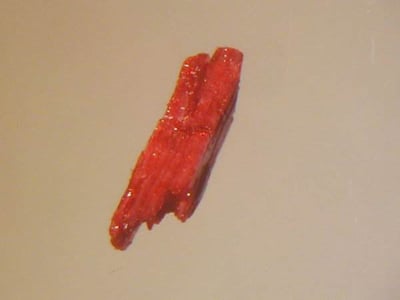
Tinnunculite typically appears in colorless, white, yellowish, reddish or раlе lilас. Color can vary depending on impurities and formation conditions.

%252FAbenakiite-(ce)-01.jpg&size=small)

