Theophrastite
A variety of Minerals
What is Theophrastite?
Nickel(II) hydroxide is the inorganic compound with the formula Ni(OH)2. It is an apple-green solid that dissolves with decomposition in ammonia and amines and is attacked by acids. It is electroactive, being converted to the Ni(III) oxy-hydroxide, leading to widespread applications in rechargeable batteries.
Market Value Factors
Pricing varies for every rock and mineral, so use these universal factors to gauge Theophrastite before comparing listings or appraisals.
Size & Weight
Larger, intact specimens usually command higher prices.
Rarity & Demand
Scarce material or popular varieties sell at a premium.
Condition & Finish
Chips, repairs, and heavy wear lower value; clean prep helps.
Treatment & Provenance
Untreated specimens with documented locality are prized.
Theophrastite Localities Map
See where Theophrastite is found with a localities map, collecting zones, and geology context. Generate a sample map preview below.
Key Characteristics
Characteristics of Theophrastite
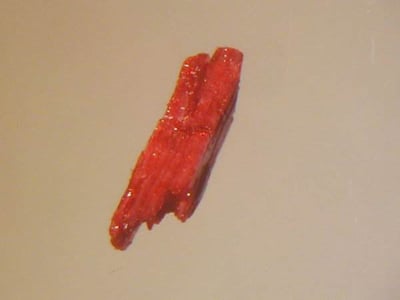
Nickel(II) hydroxide has two well-characterized polymorphs, α and β. The α structure consists of Ni(OH)2 layers with intercalated anions or water. The β form adopts a hexagonal close-packed structure of Ni and OH ions. In the presence of water, the α polymorph typically recrystallizes to the β form. In addition to the α and β polymorphs, several γ nickel hydroxides have been described, distinguished by crystal structures with much larger inter-sheet distances. The mineral form of Ni(OH)2, theophrastite, was first identified in the Vermion region of northern Greece, in 1980. It is found naturally as a translucent emerald-green crystal formed in thin sheets near the boundaries of idocrase or chlorite crystals. A nickel-magnesium variant of the mineral, (Ni,Mg)(OH)2 had been previously discovered at Hagdale on the island of Unst in Scotland.
Health & Safety Information
- ⚠️The Ni ion is a known carcinogen. Toxicity and related safety concerns have driven research into increasing the energy density of Ni(OH)2 electrodes, such as the addition of calcium or cobalt hydroxides.
Quick Facts
Physical Properties
- Color
- Emerald Green
- Hardness (Mohs)
- 3.5
- Density
- 3.95 g/cm³
- Streak
- Light green
Chemical Properties
- Chemical Formula
- Ni(OH)2
- Elements
- H, Ni, O

Identify Theophrastite Instantly
- Snap a photo, get instant results
- 6,700+ rocks, minerals & crystals
- Discover collecting spots near you
Theophrastite FAQs
How do I identify Theophrastite?
Theophrastite can be identified by its hardness of 3.5 on the Mohs scale, Emerald Green color. Look for these key characteristics when examining specimens.
What color is Theophrastite?
Theophrastite typically appears in Emerald Green. Color can vary depending on impurities and formation conditions.
How hard is Theophrastite?
Theophrastite has a hardness of 3.5 on the Mohs scale. This gives it moderate hardness.
What is the characteristics of theophrastite of Theophrastite?
Nickel(II) hydroxide has two well-characterized polymorphs, α and β. The α structure consists of Ni(OH)2 layers with intercalated anions or water. The β form adopts a hexagonal close-packed structure of Ni and OH ions. In the presence of water, the α polymorph typically recrystallizes to the β form. In addition to the α and β polymorphs, several γ nickel hydroxides have been described, distinguished by crystal structures with much larger inter-sheet distances. The mineral form of Ni(OH)2, theophrastite, was first identified in the Vermion region of northern Greece, in 1980. It is found naturally as a translucent emerald-green crystal formed in thin sheets near the boundaries of idocrase or chlorite crystals. A nickel-magnesium variant of the mineral, (Ni,Mg)(OH)2 had been previously discovered at Hagdale on the island of Unst in Scotland.

%252FAbenakiite-(ce)-01.jpg&size=small)

