Rubicline
A variety of Minerals
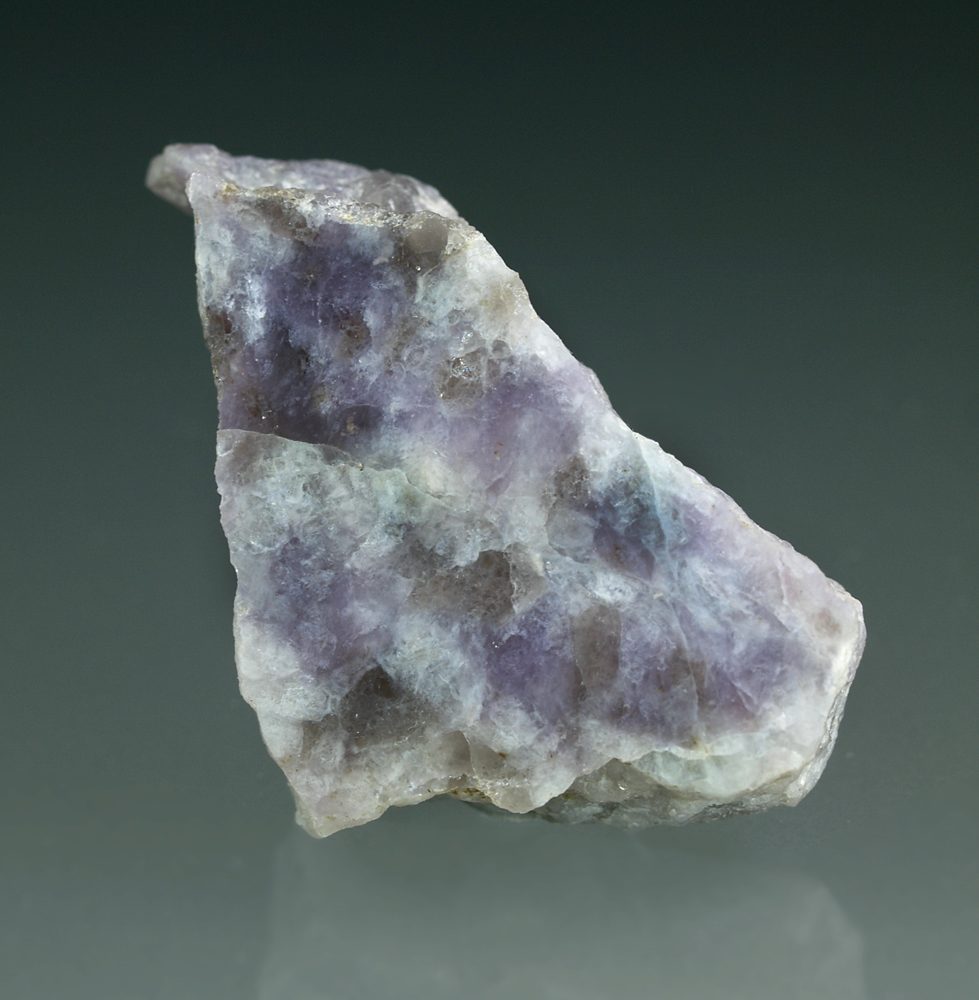
What is Rubicline?
Rubicline, also referred to as Rb-microcline, is the rubidium analogue of microcline, an important tectosilicate mineral. Its chemical formula is (Rb, K)[AlSi3O8] with an ideal composition of RbAlSi3O8. Chemical analysis by electron microprobe indicated the average weight of the crystal is 56.66% SiO2, 16.95% Al2O3, and 23.77% Rb2O, along with trace amounts of caesium oxide (Cs2O) and iron(III) oxide (Fe2O3). Rubicline was first discovered in 1998 in Elba, Italy, by a team from the University of Manitoba. It was the first mineral to have been discovered with rubidium as an essential constituent. It has also been found in Mozambique and the Kola Peninsula in Russia. Rubicline occurs as small, abundant, rounded grains found within veins of rubidian microcline. Pure rubicline with an ideal potassium-free composition has never been found in nature. Rubicline was synthesized in 2001 by placing powdered albite in a solvent of RbCl. This mixture was then placed in a silver tube containing H2O, heated to 400 °C and pressurized to 60 MPa. Unlike microcline, which can be yellow, red, or green, rubicline is colorless. It is also transparent, brittle, and has a vitreous luster. Rubicline has been classified as both triclinic and monoclinic. The crystal does not show twinning. Other minerals in this group include adularia, anorthoclase, buddingtonite, celsian, hyalophane, microcline, monalbite, orthoclase, and sanidine. Like all rubidium compounds, rubicline is mildly radioactive. Activity and dose rate of various amounts of rubicline are listed in the table below. If held in hand for one hour. Government estimate of average annual exposure (360 mRem) Max permissible adult dose 50,000 mRem/yr (hands), 15,000 mRem/yr (eyes) Lethal exposure 400,000 to 500,000 mRem
Market Value Factors
Pricing varies for every rock and mineral, so use these universal factors to gauge Rubicline before comparing listings or appraisals.
Size & Weight
Larger, intact specimens usually command higher prices.
Rarity & Demand
Scarce material or popular varieties sell at a premium.
Condition & Finish
Chips, repairs, and heavy wear lower value; clean prep helps.
Treatment & Provenance
Untreated specimens with documented locality are prized.
Rubicline Localities Map
See where Rubicline is found with a localities map, collecting zones, and geology context. Generate a sample map preview below.
Quick Facts
Physical Properties
- Color
- Colourless
Chemical Properties
- Chemical Formula
- Rb(AlSi3O8)
- Elements
- Al, O, Rb, Si
Identify Rubicline Instantly
- Snap a photo, get instant results
- 6,700+ rocks, minerals & crystals
- Discover collecting spots near you
Rubicline FAQs
How do I identify Rubicline?
Rubicline can be identified by its Colourless color. Look for these key characteristics when examining specimens.
What color is Rubicline?
Rubicline typically appears in Colourless. Color can vary depending on impurities and formation conditions.

%252FAbenakiite-(ce)-01.jpg&size=small)

