Painite
A variety of Minerals
What is Painite?
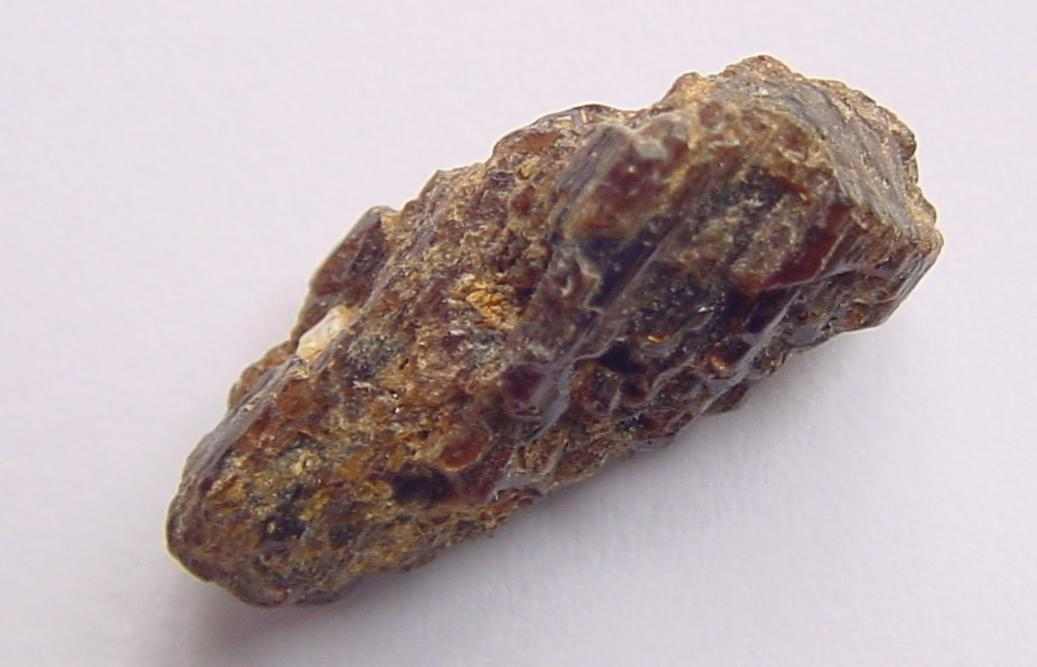
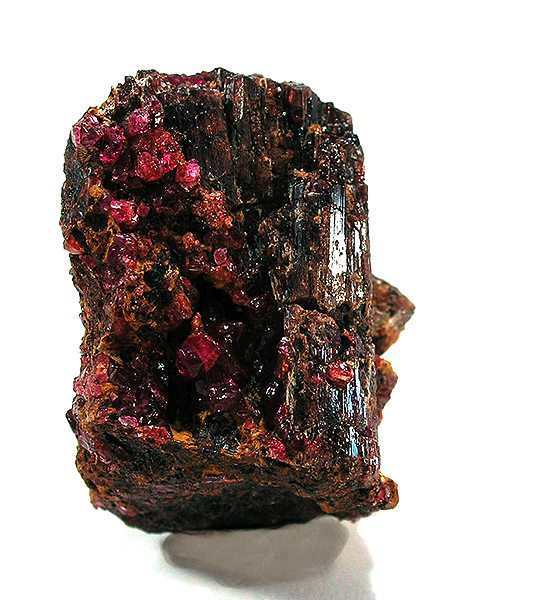
Painite is a very rare borate mineral. It was first found in Myanmar by British mineralogist and gem dealer Arthur C.D. Pain who misidentified it as ruby, until it was discovered as a new gemstone in the 1950s. When it was confirmed as a new mineral species, the mineral was named after him. Due to its rarity, painite can cost in the range of between US$50,000 to $60,000 per carat. The chemical makeup of painite contains calcium, zirconium, boron, aluminium and oxygen (CaZrAl9O15(BO3)). The mineral also contains trace amounts of chromium and vanadium, which are responsible for Painite's typically orange-red to brownish-red color, similar to topaz. The mineral's rarity is due to the fact that zirconium and boron rarely interact with each other in nature. The crystals are naturally hexagonal in shape, and, until late 2004, only two had been cut into faceted gemstones.
Optical Properties
- Refractive Index
- 1.787-1.816
- Birefringence
- 0.029
- Pleochroism
- Strong dichroism: yellow-brown - red to brown-violet
- Pinkish stones: nearly colorless, pale orangy-pink
- Optical Character
- Uniaxial negative
Market Value Factors
Pricing varies for every rock and mineral, so use these universal factors to gauge Painite before comparing listings or appraisals.
Size & Weight
Larger, intact specimens usually command higher prices.
Rarity & Demand
Scarce material or popular varieties sell at a premium.
Condition & Finish
Chips, repairs, and heavy wear lower value; clean prep helps.
Treatment & Provenance
Untreated specimens with documented locality are prized.
Painite Localities Map
See where Painite is found with a localities map, collecting zones, and geology context. Generate a sample map preview below.
The Meaning
Initially mistaken as a ruby, painite is found in the town of Magok in Myanmar. Legend has it Magok was established by three Shan hunters. Their King commanded a settlement was made there upon the discovery of a ruby, which could actually have been a painite.
Key Characteristics
Formation of Painite
Extensive exploration in the area surrounding Mogok, which comprises a large part of the extremely small region the mineral is known to exist in, has identified several new painite occurrences that have been vigorously explored resulting in several thousand new available painite specimens.
More Images
Quick Facts
Physical Properties
- Color
- Red, brownish, orange-red
- Hardness (Mohs)
- 8
- Density
- 4.01 g/cm³
- Streak
- Red
Chemical Properties
- Chemical Formula
- CaZrAl9(BO3)O15
- Elements
- Al, B, Ca, O, Zr
Identify Painite Instantly
- Snap a photo, get instant results
- 6,700+ rocks, minerals & crystals
- Discover collecting spots near you
Painite FAQs
How do I identify Painite?
Painite can be identified by its hardness of 8 on the Mohs scale, Red color. Look for these key characteristics when examining specimens.
What color is Painite?
Painite typically appears in Red, brownish, orange-red. Color can vary depending on impurities and formation conditions.
How hard is Painite?
Painite has a hardness of 8 on the Mohs scale. This makes it a relatively hard mineral suitable for jewelry.
What is the formation of painite of Painite?
Extensive exploration in the area surrounding Mogok, which comprises a large part of the extremely small region the mineral is known to exist in, has identified several new painite occurrences that have been vigorously explored resulting in several thousand new available painite specimens.

%252FAbenakiite-(ce)-01.jpg&size=small)

