Haxonite
A variety of Minerals
What is Haxonite?
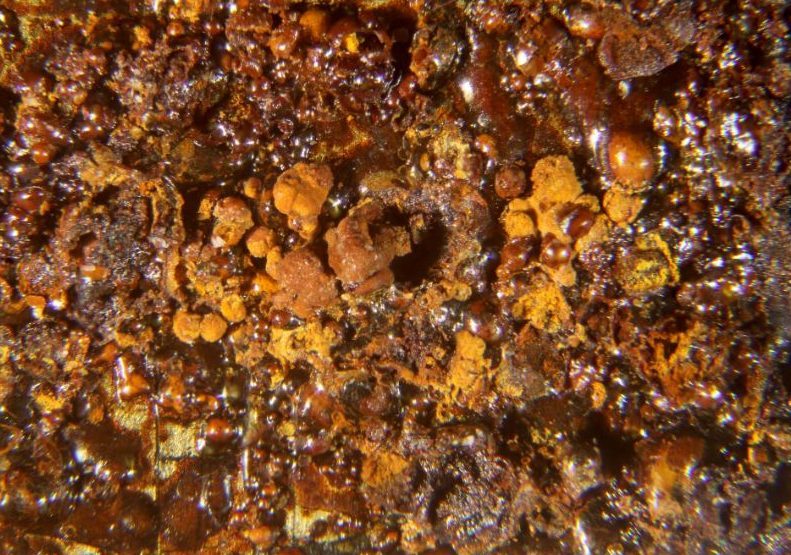
Haxonite is an iron nickel carbide mineral found in iron meteorites and carbonaceous chondrites. It has a chemical formula of (Fe,Ni)23C6, crystallises in the cubic crystal system and has a Mohs hardness of 5 ⁄2 - 6. It was first described in 1971, and named after Howard J. Axon (1924–1992), metallurgist at the University of Manchester, Manchester, England. Co-type localities are the Toluca meteorite, Xiquipilco, Mexico and the Canyon Diablo meteorite, Meteor Crater, Coconino County, Arizona, US. It occurs associated with kamacite, taenite, schreibersite, cohenite, pentlandite and magnetite.
Market Value Factors
Pricing varies for every rock and mineral, so use these universal factors to gauge Haxonite before comparing listings or appraisals.
Size & Weight
Larger, intact specimens usually command higher prices.
Rarity & Demand
Scarce material or popular varieties sell at a premium.
Condition & Finish
Chips, repairs, and heavy wear lower value; clean prep helps.
Treatment & Provenance
Untreated specimens with documented locality are prized.
Haxonite Localities Map
See where Haxonite is found with a localities map, collecting zones, and geology context. Generate a sample map preview below.
Quick Facts
Physical Properties
- Color
- White
- Hardness (Mohs)
- 5.5 - 6
- Density
- 7.7 g/cm³
Chemical Properties
- Chemical Formula
- (Fe,Ni)23C6
- Elements
- C, Fe, Ni

Identify Haxonite Instantly
- Snap a photo, get instant results
- 6,700+ rocks, minerals & crystals
- Discover collecting spots near you
Haxonite FAQs
How do I identify Haxonite?
Haxonite can be identified by its hardness of 5.5 - 6 on the Mohs scale, White color. Look for these key characteristics when examining specimens.
What color is Haxonite?
Haxonite typically appears in White. Color can vary depending on impurities and formation conditions.
How hard is Haxonite?
Haxonite has a hardness of 5.5 - 6 on the Mohs scale. This gives it moderate hardness.


%252FAbenakiite-(ce)-01.jpg&size=small)

