Garnierite

What is Garnierite?
Garnierite is a light to dark green layer silicate mineral. Garnierite is a term used to describe green, nickel-rich stones found in serpentines. Certain specimens can be cut, polished, and sculptured and used as a gem material, though the material in some localities can be quite brittle. Garnierite material is usually sold in the form of tumbled stones.
Uses & Applications
Garnierite is a green mineral whose main commercial value is as a semiprecious stone sold to mineral enthusiasts. It is popular in its tumbled form and is also carved into various shapes, such as spheres. Good examples are traded in their uncut form, and the stone is also formed into beads and other shapes for jewelry.
Healing Properties
Garnierite's supposed immense healing capabilities come from its connection with the heart. It's said to heal emotional turmoil and trauma and encourage optimistic thoughts and feelings. Garnierite attempts to bring harmony between the solar plexus and heart chakras, giving you a better understanding of your wants and dreams and providing the resilience and determination to pursue these.
Discover Values
Market Value Factors
Pricing varies for every rock and mineral, so use these universal factors to gauge Garnierite before comparing listings or appraisals.
Size & Weight
Larger, intact specimens usually command higher prices.
Rarity & Demand
Scarce material or popular varieties sell at a premium.
Condition & Finish
Chips, repairs, and heavy wear lower value; clean prep helps.
Treatment & Provenance
Untreated specimens with documented locality are prized.
Garnierite Localities Map
See where Garnierite is found with a localities map, collecting zones, and geology context. Generate a sample map preview below.
Associated Chakras

Health & Safety Information
- ⚠️Garnierite dust is toxic because it contains heavy metals Nickel.
- ⚠️Garnierite is safe to handle in its finished, polished state, but excessive exposure to its dust may lead to heavy metal poisoning. When cutting or polishing garnierite, wear a dust mask to minimize dust inhalation. Store it in a sealed container in a well-ventilated area, away from children and pets. For those involved in crystal healing, never put it in your mouth.
Quick Facts
Physical Properties
- Color
- Green
- Hardness (Mohs)
- 6 - 6.5
- Density
- 2.1 - 2.7 g/cm³
- Streak
- White
Chemical Properties
- Chemical Formula
- (Ni, Mg)4Si6O15(OH)2•6(H2O)
- Elements
- Ni, Mg, Si, O, H
Also Known As
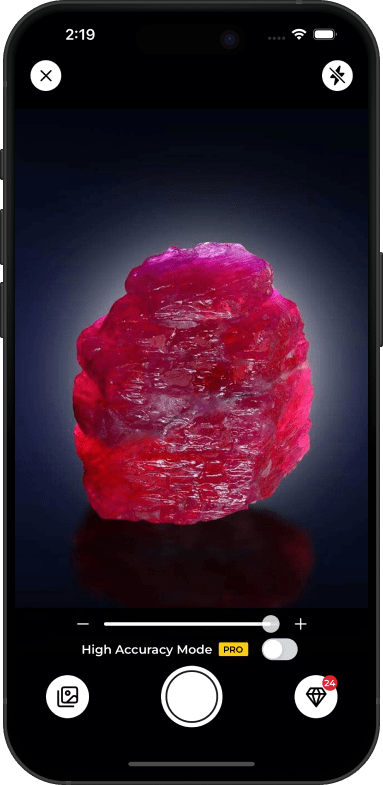
Identify Garnierite Instantly
- Snap a photo, get instant results
- 6,700+ rocks, minerals & crystals
- Discover collecting spots near you
Garnierite FAQs
How do I identify Garnierite?
Garnierite can be identified by its hardness of 6 - 6.5 on the Mohs scale, Green color. Look for these key characteristics when examining specimens.
What color is Garnierite?
Garnierite typically appears in Green. Color can vary depending on impurities and formation conditions.
How hard is Garnierite?
Garnierite has a hardness of 6 - 6.5 on the Mohs scale. This gives it moderate hardness.