Fossil Bone
What is Fossil Bone?
Fossil Bone is the preserved remains of an animal's skeletal structure. The process of fossilization typically involves the replacement of the original bone material with minerals, such as calcium phosphate, silica, or pyrite, while preserving the original shape and structure. The appearance of fossil bone varies greatly depending on the type of bone, the fossilization process, and the surrounding environment. It can range from a light tan or brown to darker shades of gray, black, or even reddish hues. The texture can be smooth, rough, or porous, and the bone may exhibit visible structures like growth rings or the remnants of blood vessels. Fossil bones are found in sedimentary rocks, often in areas where ancient animals lived and died, such as riverbeds, swamps, and ancient shorelines. The study of fossil bones provides valuable insights into the evolution, behavior, and environment of extinct animals.
Optical Properties
- Refractive Index
- Variable
- Birefringence
- Variable
- Pleochroism
- None
- Optical Character
- Variable
- Dispersion
- None
Discover Values
This stone excels in cultural value.
Market Value Factors
Pricing varies for every rock and mineral, so use these universal factors to gauge Fossil Bone before comparing listings or appraisals.
Size & Weight
Larger, intact specimens usually command higher prices.
Rarity & Demand
Scarce material or popular varieties sell at a premium.
Condition & Finish
Chips, repairs, and heavy wear lower value; clean prep helps.
Treatment & Provenance
Untreated specimens with documented locality are prized.
Fossil Bone Localities Map
See where Fossil Bone is found with a localities map, collecting zones, and geology context. Generate a sample map preview below.
Quick Facts
Physical Properties
- Color
- Tan, brown, gray, black, reddish
- Hardness (Mohs)
- Variable
- Density
- Variable
- Luster
- Earthy
- Crystal System
- Amorphous
Chemical Properties
- Chemical Formula
- Variable, primarily calcium phosphate (apatite) with mineral replacements
- Elements
- Ca, P, O, C, H, and other trace elements depending on the mineral composition
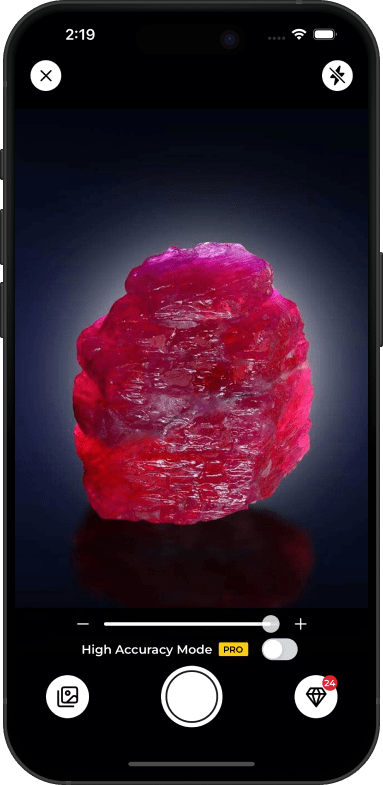
Identify Fossil Bone Instantly
- Snap a photo, get instant results
- 6,700+ rocks, minerals & crystals
- Discover collecting spots near you
Fossil Bone FAQs
How do I identify Fossil Bone?
Fossil Bone can be identified by its hardness of Variable on the Mohs scale, Tan color, Earthy luster, Amorphous crystal system. Look for these key characteristics when examining specimens.
What color is Fossil Bone?
Fossil Bone typically appears in Tan, brown, gray, black, reddish. Color can vary depending on impurities and formation conditions.
How hard is Fossil Bone?
Fossil Bone has a hardness of Variable on the Mohs scale. This gives it moderate hardness.