Coral
A variety of Fossil
What is Coral?
Coral is the skeleton of marine animals which together form reefs. Coral reefs are the largest biological structures on earth. From a natural perspective, reefs provide an important ecosystem for underwater life. From a human perspective, reefs protect coastal areas by lessening the power of waves hitting the coastline, and provide income through fishing and tourism.
Uses & Applications
On land, coral is a decorative item found in homes and beachfront establishments. It's also used in jewelry alongside actual stones or by itself in rings or beaded necklaces. In its natural state in the water, coral is a critical sea-life habitat. Major reefs become tourist draws for divers and snorkelers.
Healing Properties
Coral is often referred to as the stone of transformation. It helps one to move forward in life and accept change and progress. The positive energy force of the stone is believed to help its user release the negativity of unhealthy thoughts. It may be used to motivate and inspire positive actions and improve self-control issues.
Optical Properties
- Refractive Index
- 1.486-1.658
- Birefringence
- 0.160-0.172
- Pleochroism
- None
- Optical Character
- Uniaxial negative
Discover Values
This stone excels in popularity, collection value.
Market Value Factors
Pricing varies for every rock and mineral, so use these universal factors to gauge Coral before comparing listings or appraisals.
Size & Weight
Larger, intact specimens usually command higher prices.
Rarity & Demand
Scarce material or popular varieties sell at a premium.
Condition & Finish
Chips, repairs, and heavy wear lower value; clean prep helps.
Treatment & Provenance
Untreated specimens with documented locality are prized.
Coral Localities Map
See where Coral is found with a localities map, collecting zones, and geology context. Generate a sample map preview below.
The Meaning
Coral has been valued as a gemstone with magical, sacred, and medicinal properties for thousands of years. According to Greek legend, coral was formed when a monstrous Medusa had spilled her blood into the ocean. Ancient Romans and Egyptians used a necklace made of coral as a protection from evil spirits.
Associated Chakras

Quick Facts
Physical Properties
- Color
- White, gray, brown, pink, red, orange, blue, black, etc.
Chemical Properties
- Chemical Formula
- CaCO3
Also Known As
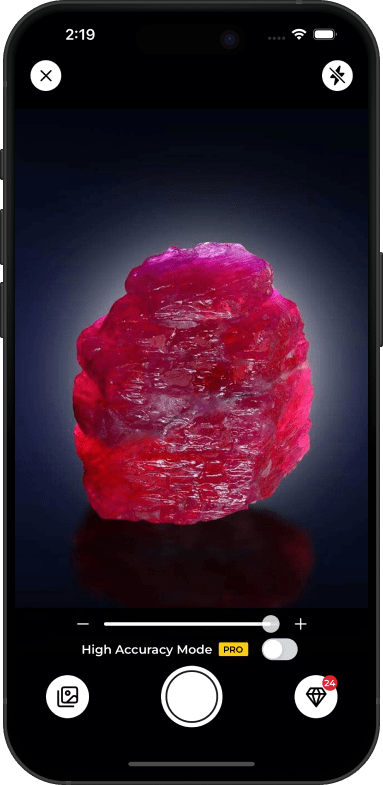
Identify Coral Instantly
- Snap a photo, get instant results
- 6,700+ rocks, minerals & crystals
- Discover collecting spots near you
Coral FAQs
How do I identify Coral?
Coral can be identified by its White color. Look for these key characteristics when examining specimens.
What color is Coral?
Coral typically appears in White, gray, brown, pink, red, orange, blue, black, etc.. Color can vary depending on impurities and formation conditions.