Actinolite
A variety of Calcium Amphibole Subgroup
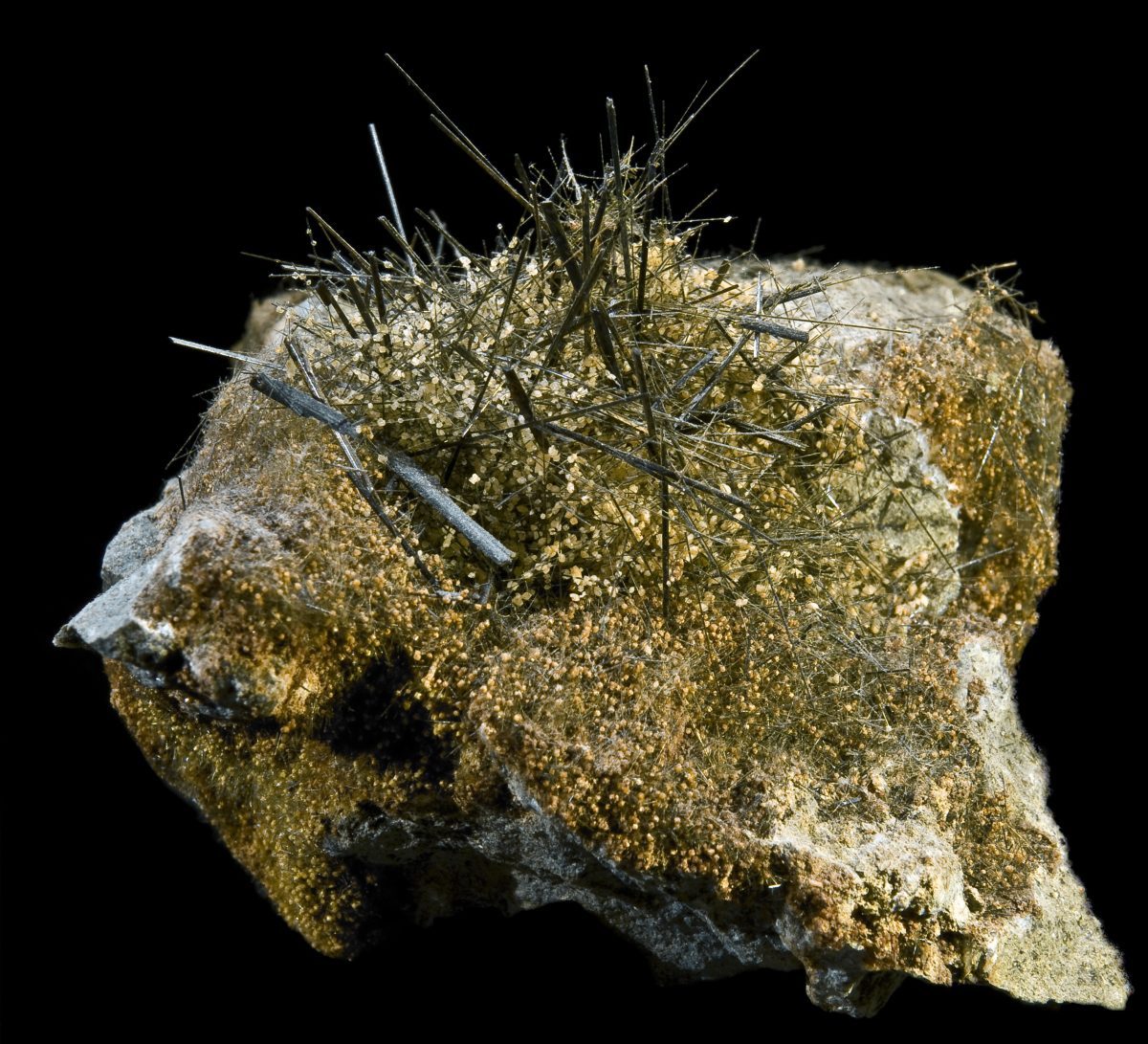
What is Actinolite?
Most often found in metamorphic rock, actinolite is a fibrous mineral that is a very rare type of asbestos. One variety of the material is nephrite, which is a form of jade. There is also a rare and highly sought catseye version of the mineral. Industrial asbestos is sometimes made from certain varieties of actinolite.
Etymology & Origins
The name actinolite is derived from the Greek word aktis (ἀκτίς), meaning "beam" or "ray", because of the mineral's fibrous nature.
Uses & Applications
In its fibrous form, actinolite has good insulating properties and was used as asbestos in the building industry until its carcinogenic and other debilitating health effects were discovered. Another form of this mineral is nephrite, better known as jade, which has abundant uses for jewelry and high-value carvings and works of art. Cat's eye actinolite is another gem-worthy form of the mineral. Transparent pieces are cut into faceted gemstones for jewelry.
Healing Properties
The connection between actinolite and the heart chakra supposedly protects the body, spirit, and mind from negative energies and emotional trauma. It's said to lessen felt stress and enhance immune response. If you need a confidence boost, actinolite is believed to do just that, increasing courage and self-assuredness in everyday life. Possession of actinolite may benefit the metabolic and adrenal systems.
Optical Properties
- Refractive Index
- 1.6-1.63
- Birefringence
- 0.03
- Pleochroism
- Distinct: yellow-green, light green, blue-green
- Optical Character
- Biaxial negative
Market Value Factors
Pricing varies for every rock and mineral, so use these universal factors to gauge Actinolite before comparing listings or appraisals.
Size & Weight
Larger, intact specimens usually command higher prices.
Rarity & Demand
Scarce material or popular varieties sell at a premium.
Condition & Finish
Chips, repairs, and heavy wear lower value; clean prep helps.
Treatment & Provenance
Untreated specimens with documented locality are prized.
Actinolite Localities Map
See where Actinolite is found with a localities map, collecting zones, and geology context. Generate a sample map preview below.
Associated Chakras

Key Characteristics
Formation of Actinolite
Actinolite is commonly found in metamorphic rocks, such as contact aureoles surrounding cooled intrusive igneous rocks. It also occurs as a product of metamorphism of magnesium-rich limestones. The old mineral name uralite is at times applied to an alteration product of primary pyroxene by a mixture composed largely of actinolite. The metamorphosed gabbro or diabase rock bodies, referred to as epidiorite, contain a considerable amount of this uralitic alteration. Fibrous actinolite is one of the six recognised types of asbestos, the fibres being so small that they can enter the lungs and damage the alveoli. Actinolite asbestos was once mined along Jones Creek at Gundagai, Australia.
Composition of Actinolite
Na2O, CaO, MgO, TiO2, MnO, Al2O3, FeO, Fe2O3, SiO2, H2O
Health & Safety Information
- ⚠️Actinolite in powdered form can be toxic due to its Actinolite Asbestos content.
- ⚠️Beware of asbestos. Inhalation of asbestos fibres can lead to various dangerous lung conditions, including mesothelioma, asbestosis, and lung cancer. And it can take years for symptoms related to the exposure to appear. Lapidaries should exercise caution when cutting this mineral.
- ⚠️Actinolite is safe to handle except in powder form. If you plan to cut or polish actinolite, it's advisable to wear a dust mask to avoid inhaling any dust. Asbestos fibers are hazardous when inhaled, as they can lead to serious lung disease.
More Images
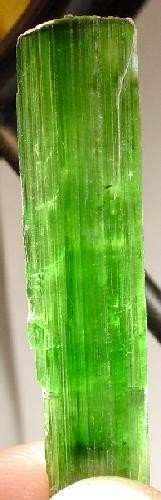
Quick Facts
Physical Properties
- Color
- Green, green-black, grey-green, black
- Hardness (Mohs)
- 5 - 6
- Density
- 3.07 g/cm³
- Streak
- White
- Luster
- Vitreous, Silky
- Crystal System
- Monoclinic
Chemical Properties
- Chemical Formula
- {Ca2}{Mg4.5-2.5Fe0.5-2.5}(Si8O22)(OH)2
- Elements
- Ca, Fe, H, Mg, O, Si
Also Known As
Identify Actinolite Instantly
- Snap a photo, get instant results
- 6,700+ rocks, minerals & crystals
- Discover collecting spots near you
Actinolite FAQs
How do I identify Actinolite?
Actinolite can be identified by its hardness of 5 - 6 on the Mohs scale, Green color, Vitreous, Silky luster, Monoclinic crystal system. Look for these key characteristics when examining specimens.
What color is Actinolite?
Actinolite typically appears in Green, green-black, grey-green, black. Color can vary depending on impurities and formation conditions.
How hard is Actinolite?
Actinolite has a hardness of 5 - 6 on the Mohs scale. This gives it moderate hardness.
What is the formation of actinolite of Actinolite?
Actinolite is commonly found in metamorphic rocks, such as contact aureoles surrounding cooled intrusive igneous rocks. It also occurs as a product of metamorphism of magnesium-rich limestones. The old mineral name uralite is at times applied to an alteration product of primary pyroxene by a mixture composed largely of actinolite. The metamorphosed gabbro or diabase rock bodies, referred to as epidiorite, contain a considerable amount of this uralitic alteration. Fibrous actinolite is one of the six recognised types of asbestos, the fibres being so small that they can enter the lungs and damage the alveoli. Actinolite asbestos was once mined along Jones Creek at Gundagai, Australia.
What is the composition of actinolite of Actinolite?
Na2O, CaO, MgO, TiO2, MnO, Al2O3, FeO, Fe2O3, SiO2, H2O